African violet
SafeHouseplant · Safe — non-toxic
Safe — non-toxic to dogs and cats.
On the ASPCA non-toxic list. A small, easy flowering houseplant that is safe around pets.
Free cat plant-safety guide
A plain, vet-sourced answer for the plants a cat owner keeps — and the lilies that make this a life-or-death question for cats. Search a plant below, or scroll the A–Z, each marked safe, caution, or toxic to cats.
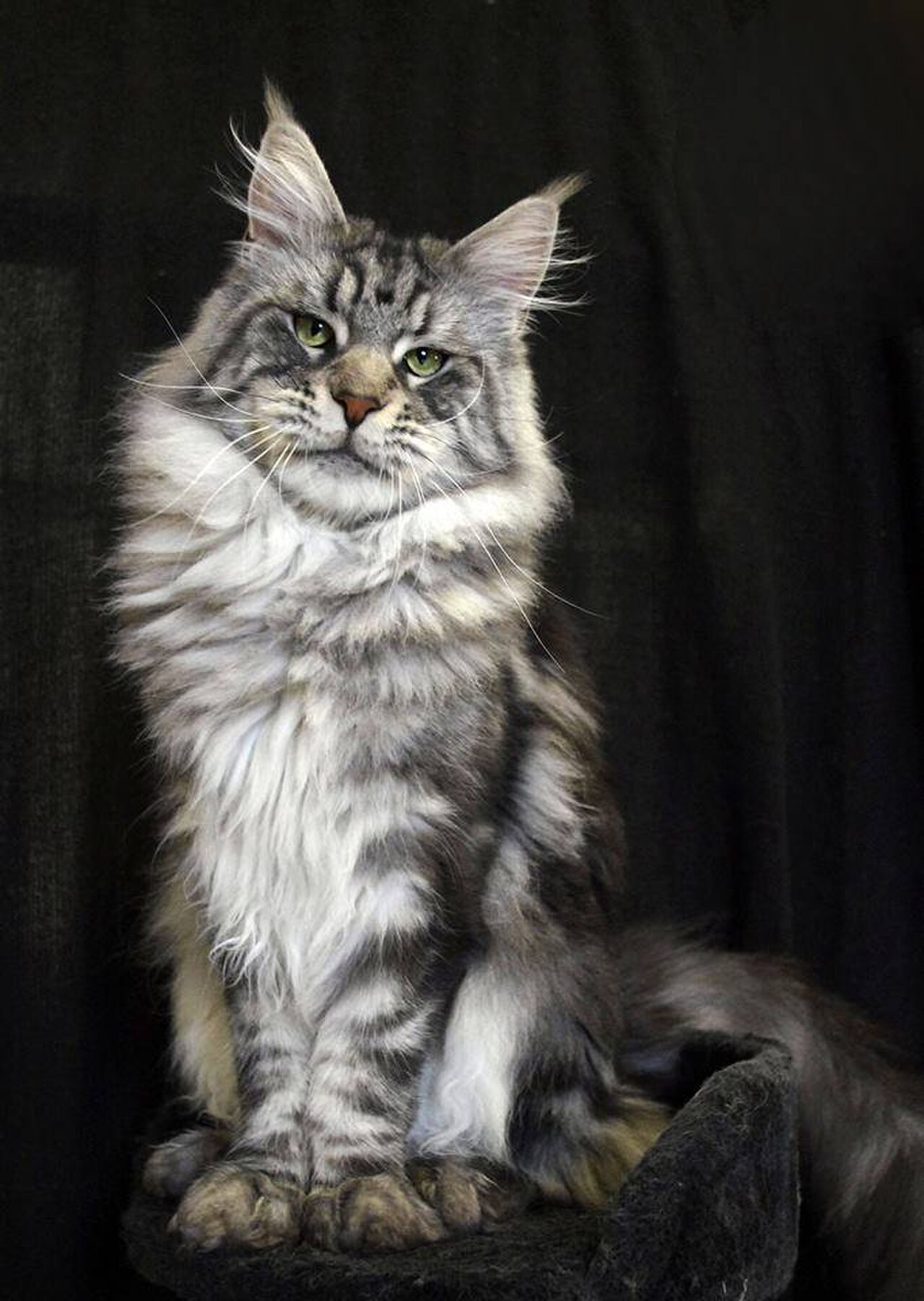
The plants below are toxic to cats — lilies most of all, which can be fatal from a lick or the pollen. If your cat has had any contact, call your vet or a poison line now; don't wait for symptoms.
Filter by verdict or search a plant. Every entry shows why, and what to do if your cat has eaten it.
Houseplant · Safe — non-toxic
Safe — non-toxic to dogs and cats.
On the ASPCA non-toxic list. A small, easy flowering houseplant that is safe around pets.
Houseplant · Safe — non-toxic
Safe — considered non-toxic to pets.
Air plants are a bromeliad, and bromeliads are listed non-toxic by the ASPCA, so they are considered safe around dogs and cats.
Succulent · Caution — irritant
Caution — the outer leaf upsets the stomach; the inner gel is fine.
The latex just under the skin holds saponins and anthraquinones that cause vomiting, diarrhoea and lethargy. The clear inner gel is essentially non-toxic, but a pet that bites a whole leaf gets the irritant layer too. Rarely serious.
Flower · Toxic to cats
Toxic to both — a popular holiday bulb; the bulb is worst.
Expect vomiting, drooling, diarrhoea, belly pain, low appetite, lethargy and sometimes tremors. Usually stomach upset plus lethargy rather than life-threatening, but the bulb is the most dangerous part — see a vet.
Houseplant · Safe — non-toxic
Safe — a true palm and non-toxic (unlike the sago 'palm').
Non-toxic per the ASPCA. Also sold as the golden cane or butterfly palm. Do not confuse it with the sago palm, which is not a real palm and is seriously toxic.
Houseplant · Caution — irritant
Caution — not a true fern; the berries upset the stomach.
Eating the berries causes vomiting, belly pain and diarrhoea, and repeated contact with the foliage can irritate the skin. Mild, but note it is unrelated to the safe true ferns like Boston fern.
Flower · Toxic to cats
Toxic to both — highly poisonous, and signs can be delayed for days.
Colchicine causes bloody vomiting and diarrhoea, shock, and damage to several organs and the bone marrow, sometimes days later. It can be fatal. Note it is not the harmless spring crocus — this is the autumn one.
Tree or shrub · Toxic to cats
Toxic to both — even a few leaves can make a pet very sick.
Grayanotoxins bring on vomiting, diarrhoea, drooling and weakness; a larger amount can drop the heart rate and blood pressure and lead to collapse. A few leaves are enough to sicken a small pet — call your vet.
Garden plant · Safe — non-toxic
Safe — but two toxic look-alikes share the name.
True bamboo is non-toxic per the ASPCA. Beware the impostors: 'lucky bamboo' (a Dracaena) and 'heavenly bamboo' (Nandina) are not true bamboo and are both toxic. Check what you actually have.
Herb or edible · Safe — non-toxic
Safe — a non-toxic kitchen herb.
On the ASPCA non-toxic list. Safe to grow on a windowsill around pets.
Flower · Caution — irritant
Caution — the underground tubers are the most irritating part.
Soluble calcium oxalates cause mouth irritation, drooling and vomiting; the tubers hold the most. Oral and stomach upset in dogs and cats rather than anything life-threatening.
Houseplant · Safe — non-toxic
Safe — a genuinely pet-safe true fern.
Non-toxic per the ASPCA. Unlike the 'asparagus fern', which is not a true fern and does irritate, the Boston fern is a safe green choice for a home with pets.
Houseplant · Caution — irritant
Caution — a colourful leaf that burns the mouth.
Calcium oxalate crystals cause mouth pain and swelling, drooling, vomiting and trouble swallowing. Usually not life-threatening, but see a vet if swelling is marked.
Houseplant · Safe — non-toxic
Safe — non-toxic, and a great pet-friendly foliage plant.
Non-toxic per the ASPCA, covering the prayer plant, peacock and rattlesnake plants. A safe way to keep bold leaves in a home with pets.
Flower · Caution — irritant
Caution — an oral irritant, and again NOT a true (deadly) lily.
Like the peace lily, a calla lily is not a true lily and carries insoluble calcium oxalate crystals rather than the cat kidney toxin. Expect mouth burning, heavy drooling, vomiting and trouble swallowing — painful but rarely dangerous.
Garden plant · Toxic to cats
Toxic to both — the seeds contain ricin and can be fatal.
As little as an ounce of chewed seeds can kill. Expect mouth and throat burning, intense thirst, vomiting, diarrhoea, weakness and tremors, then kidney failure and convulsions — and signs can lag 12–48 hours. Emergency.
Herb or edible · Safe — non-toxic
Safe — grown specifically for cats to nibble.
The oat, wheat and barley grasses sold as 'cat grass' are non-toxic and are grown for pets to graze — a safe outlet for a cat that likes to chew greenery, and a good decoy from your houseplants.
Herb or edible · Caution — irritant
Fine for cats in normal amounts — too much just causes a mild tummy upset.
Catnip is meant for cats and the usual reaction — a burst of euphoria or mellow sedation — is harmless. It is listed as a mild concern only because a cat that eats a large amount can get self-limiting vomiting or diarrhoea. In normal use it is a treat, not a hazard.
Flower · Caution — irritant
Caution — a common cut flower; usually mild upset.
Chrysanthemums contain pyrethrins and other compounds that cause vomiting, diarrhoea, drooling, wobbliness and sometimes skin irritation. A larger amount brings stronger signs, but it is rarely dangerous.
Houseplant · Toxic to cats
Toxic to both — the roots and tubers are the real hazard.
The leaves cause drooling, vomiting and diarrhoea; the roots and tubers hold much more toxin and can rarely bring on heart-rhythm problems or seizures. If a pet digs up and eats the tuber, treat it as urgent.
Flower · Toxic to cats
Toxic to both — the bulb is the most poisonous part.
Lycorine and related alkaloids bring vomiting, drooling and diarrhoea; a large amount, or the bulb, can add convulsions, low blood pressure and heart-rhythm problems. Dogs that dig up and chew bulbs are the classic case — call your vet promptly.
Flower · Toxic to cats
Deadly to cats — same kidney poison as a true lily.
A daylily is just as dangerous to a cat as a true lily: all parts, the pollen and the vase water can trigger acute kidney failure. Vomiting and lethargy come first, kidney shutdown follows within a day or two. Treat any nibble, or even pollen on the coat, as an emergency and get to a vet the same hour with the plant.
Houseplant · Caution — irritant
Caution — a classic mouth-burning houseplant.
Insoluble calcium oxalate crystals plus an irritant enzyme cause intense oral burning, drooling, vomiting and difficulty swallowing — the name 'dumbcane' comes from the mouth pain. Rarely life-threatening, but marked swelling can affect breathing, so see a vet if that happens.
Houseplant · Caution — irritant
Caution — saponins cause stomach upset; cats may show dilated pupils.
Eating the leaves brings vomiting (sometimes with a little blood), low appetite, drooling and low mood; cats can also show dilated pupils. Generally not life-threatening, but a very common houseplant.
Succulent · Safe — non-toxic
Safe — a non-toxic rosette succulent.
On the ASPCA non-toxic list for dogs and cats — another safe succulent option for a pet home.
Houseplant · Caution — irritant
Caution — a big-leaved plant that burns the mouth.
Insoluble calcium oxalate crystals cause intense oral burning, drooling, vomiting and difficulty swallowing. Painful but usually not serious; see a vet if swelling affects breathing or swallowing.
Houseplant · Caution — irritant
Caution — the leaves upset the stomach more than the berries.
Triterpenoid saponins cause vomiting, belly pain, drooling and diarrhoea. The foliage is more toxic than the berries, and it is rarely serious — but it is a common trailing plant a cat will bat at.
Garden plant · Toxic to cats
Toxic to both — a garden heart poison.
Foxglove holds the same kind of cardiac glycosides used in heart medicine, so a pet that eats it can show vomiting, diarrhoea, weakness and a dangerous heart rhythm. It can be fatal — call a vet at once.
Succulent · Safe — non-toxic
Safe — a genuinely pet-safe succulent.
The zebra haworthia is non-toxic per the ASPCA — a good choice if you want a succulent and have pets, unlike aloe, jade or kalanchoe.
Garden plant · Caution — irritant
Caution — a shade-garden favourite; saponins upset the stomach.
Eating hosta leaves or flowers causes vomiting, diarrhoea and depression. Generally not serious, but a common garden plant dogs graze.
Flower · Caution — irritant
Caution — foliage is mild, the bulb holds the toxin.
As with tulips, the bulb is where the alkaloids concentrate. Leaves and flowers cause mild drooling or upset; a chewed bulb can bring vomiting or diarrhoea (sometimes bloody), depression and tremors.
Garden plant · Caution — irritant
Caution — usually just stomach upset.
The leaves and flowers hold a cyanogenic compound, but true cyanide poisoning is rare — in practice a pet that eats some gets vomiting, diarrhoea and low mood. Call your vet if a large amount was eaten.
Flower · Safe — non-toxic
Safe — a non-toxic shade-garden flower.
Widely listed as non-toxic to dogs and cats — a safe choice for shady borders and pots in a pet household.
Succulent · Caution — irritant
Caution — a common succulent that causes upset and wobbliness.
The exact toxin is unknown, but pets can show vomiting, low mood or lethargy and incoordination. Usually mild to moderate and self-limiting; call your vet if your pet seems drunk on its feet or very flat.
Succulent · Toxic to cats
Toxic to both — a common flowering succulent; mostly stomach upset.
Bufadienolides usually cause vomiting and diarrhoea; a large amount can rarely upset the heart rhythm. Monitor closely, and see a vet if your pet becomes weak, collapses or seems off after eating it.
Flower · Toxic to cats
Toxic to both — a heart poison, not a true lily.
Despite the name this is not a true lily and does not hit the kidneys — it carries cardiac glycosides that disturb the heart. A pet can vomit, then show a slow or irregular heartbeat, low blood pressure, disorientation or seizures. It can be fatal through an arrhythmia, so any ingestion is an emergency: call a vet or a poison line at once.
Flower · Caution — irritant
Caution — a mild irritant; don't confuse it with toxic marsh marigold.
Garden marigold (Tagetes) is at most a mild irritant — the sap can upset the stomach or irritate skin and eyes. The name to watch is 'marsh marigold' (Caltha palustris), a different and more toxic plant. When in doubt about which you have, keep pets away.
Garden plant · Toxic to cats
Toxic to both — edibles are the most dangerous form.
THC causes prolonged wobbliness or agitation, dribbling urine, drooling, dilated pupils, a low temperature and, rarely, tremors or seizures. It is rarely fatal on its own, but edibles often add chocolate or xylitol, which are — be honest with your vet about what was eaten so they can help.
Garden plant · Toxic to cats
Toxic to both — affects the heart and nervous system.
Milkweed can cause vomiting, deep depression, weakness and diarrhoea, then seizures, laboured breathing, a weak pulse and dilated pupils. It can be fatal, so any ingestion is an emergency.
Houseplant · Safe — non-toxic
Safe — non-toxic (not the same as the toxic 'money plant').
The braided-trunk money tree is non-toxic per the ASPCA; a big mouthful may cause mild upset. Do not confuse it with the 'money plant' (a name used for pothos), which is an oral irritant.
Houseplant · Caution — irritant
Caution — a trendy houseplant that irritates the mouth.
Calcium oxalate crystals cause oral burning, drooling, vomiting and trouble swallowing if a pet chews the leaves. Rarely serious, but a popular plant worth keeping off the floor around young pets.
Houseplant · Safe — non-toxic
Safe — the common houseplant orchid is non-toxic.
On the ASPCA non-toxic list. The everyday supermarket orchid is safe around dogs and cats.
Tree or shrub · Toxic to cats
Toxic to both — not a true bamboo; releases cyanide.
The berries and foliage carry cyanogenic glycosides that can cause weakness, incoordination, seizures and breathing trouble. Serious cases are uncommon in pets, but see a vet if your pet is symptomatic. Do not confuse it with harmless true bamboo.
Tree or shrub · Toxic to cats
Toxic to both — leaves and flowers are extremely poisonous to the heart.
Cardiac glycosides make even a small amount dangerous: drooling, vomiting, diarrhoea, colic and a dangerously abnormal heart rhythm. It can be fatal, so treat any ingestion as an emergency.
Houseplant · Safe — non-toxic
Safe — a pet-safe indoor palm.
Non-toxic per the ASPCA, and sometimes sold as a bamboo palm. A good low-light plant for a home with pets.
Houseplant · Caution — irritant
Caution — a painful mouth irritant, but NOT the deadly kind of lily.
Good news first: a peace lily is not a true lily and does not cause the fatal kidney failure in cats that Lilium does. What it does have is insoluble calcium oxalate crystals, which cause intense burning of the mouth, lips and tongue, drooling, pawing at the mouth and vomiting. Usually not serious, but see a vet if swelling affects breathing or swallowing.
Flower · Safe — non-toxic
Safe — non-toxic bedding flower.
Non-toxic per the ASPCA — safe in pots and borders around pets.
Houseplant · Caution — irritant
Caution — oral irritation from calcium oxalate crystals.
Chewing brings mouth pain and swelling, drooling, vomiting and trouble swallowing. Uncomfortable but rarely serious in dogs and cats — rinse the mouth and call your vet if signs are marked.
Houseplant · Caution — irritant
Caution — famously over-rated; usually only mild irritation.
The Christmas poinsettia's reputation is worse than its bite. The milky sap irritates the mouth and stomach, causing drooling and the odd bout of vomiting, and it settles on its own. Worth keeping tidy, not worth panic.
Houseplant · Safe — non-toxic
Safe — non-toxic to dogs and cats.
On the ASPCA non-toxic list. Its long, dangling leaves tempt cats, but it is safe.
Houseplant · Caution — irritant
Caution — a very common trailing houseplant; an oral irritant.
The same calcium oxalate crystals: mouth burning, drooling, vomiting and trouble swallowing. One of the most common houseplants pets chew, and usually not serious, but keep trailing vines out of a kitten's reach.
Flower · Safe — non-toxic
Safe — non-toxic; only the thorns are a hazard.
The rose plant itself is non-toxic per the ASPCA. The thing to watch is physical: thorns can scratch a mouth or paw. Note that some other flowers with 'rose' in the name (like Christmas rose) are not true roses.
Herb or edible · Safe — non-toxic
Safe — non-toxic to dogs and cats.
Non-toxic per the ASPCA. The fresh herb is safe; concentrated essential oils are a separate matter and not for pets.
Houseplant · Toxic to cats
Toxic to both — causes liver failure; the seeds are the worst part.
Every part is poisonous and the seeds or 'nuts' are the most toxic, carrying cycasin. Expect vomiting, black or bloody stool, jaundice, thirst and bruising as the liver is damaged; it can be fatal. A popular indoor and patio plant, so it catches a lot of dogs — go to a vet fast.
Houseplant · Caution — irritant
Caution — another calcium-oxalate oral irritant.
Chewing causes mouth burning, drooling, vomiting and trouble swallowing. Rarely serious in dogs and cats — a common office and home plant.
Houseplant · Caution — irritant
Caution — saponins cause stomach upset.
Also sold as mother-in-law's tongue. Chewing brings nausea, vomiting and diarrhoea, which usually settles on its own. Not among the dangerous houseplants, but not one to let a pet graze on.
Flower · Safe — non-toxic
Safe — non-toxic to dogs and cats.
On the ASPCA non-toxic list. A safe cottage-garden flower.
Houseplant · Safe — non-toxic
Safe — non-toxic, and a favourite for cats to bat at.
On the ASPCA non-toxic list for dogs and cats. Cats love to chew the arching leaves; the worst that a big mouthful does is a little vomiting, as with any plant eaten in quantity.
Flower · Safe — non-toxic
Safe — non-toxic to dogs and cats.
On the ASPCA non-toxic list. A safe cut flower and garden plant.
Herb or edible · Safe — non-toxic
Safe — a non-toxic garden herb.
On the ASPCA non-toxic list. Common garden thyme is safe; again, concentrated thyme essential oil is not the same as the fresh herb.
Flower · Toxic to cats
Deadly to cats — a true emergency, even a lick or the pollen.
Every part of a true lily — petals, leaves, pollen, even the vase water — can cause sudden, often fatal kidney failure in a cat. A cat that brushes pollen onto its coat and grooms it off is enough. Signs start as vomiting and lethargy, then the kidneys shut down over 24–72 hours. Do not wait for symptoms: get to a vet immediately, ideally within hours, and take the plant. The toxin is still unidentified, so there is no home test — treat any exposure as an emergency.
Flower · Caution — irritant
Caution — the flower is mild, but the bulb is the real hazard.
Tulipalin is concentrated in the bulb. A pet nosing the leaves or petals may drool or have a mild upset; a dog that digs up and chews a bulb can be more seriously affected — vomiting, diarrhoea and depression. Keep bulbs out of reach.
Tree or shrub · Toxic to cats
Toxic to both — can cause sudden death with little warning.
The taxine alkaloids in yew hit the heart hard: tremors, difficulty breathing, vomiting and seizures, and sometimes sudden cardiac death before other signs even appear. A genuine emergency for any pet.
Flower · Safe — non-toxic
Safe — non-toxic to dogs and cats.
Non-toxic per the ASPCA — a safe, easy annual for a pet household.
Houseplant · Caution — irritant
Caution — mild mouth and stomach irritation.
A calcium-oxalate houseplant like pothos and philodendron: chewing causes mouth or skin irritation, drooling, vomiting and diarrhoea. Severe reactions are rare — wash any sap off skin and rinse the mouth.
No plant matches that. Try another spelling, or browse the list below.
Yes — dangerously so. True lilies (Lilium) and daylilies (Hemerocallis) can cause fatal kidney failure in a cat from the tiniest exposure: a nibbled leaf or petal, licking pollen off the coat, even drinking the vase water. If your cat has any contact with a lily, treat it as an emergency and get to a vet the same hour — don't wait for symptoms. Peace lily and calla lily are different, less dangerous plants despite the name.
True lilies and daylilies top the list by a wide margin. Others to keep away entirely include sago palm, oleander, azalea, yew, foxglove, lily of the valley, autumn crocus, cyclamen tubers and daffodil bulbs. If your cat eats any, call your vet or a poison line at once.
Genuinely safe, non-toxic choices include spider plant, Boston fern, calathea, parlor and areca palms, African violet, orchid and herbs like basil. A pot of cat grass gives a chewer a safe target. Avoid true lilies completely, and keep calcium-oxalate plants (pothos, philodendron, peace lily) up high since they burn the mouth.
Immediately — ideally within a few hours. Lily poisoning is treatable if a vet starts fluids early, before the kidneys are damaged, but the window is short. Do not wait to see if your cat gets sick; call a vet or poison line and go in.
Common early signs are drooling, vomiting, pawing at the mouth, low appetite and lethargy. With a lily, that early vomiting and lethargy is the warning before the kidneys fail. Heart-affecting plants can cause weakness or collapse. If you saw your cat with a toxic plant, don't wait for signs.
The everyday tools that pair with this guide.
This is a general guide to common plants, not a diagnosis or a substitute for your vet. Plants vary, names overlap, and any pet can react differently. If your pet has eaten a plant on the toxic list, has eaten any part of a lily (cats), or seems unwell, call your vet or an animal poison-control line — don't wait for symptoms.
 Menu
Menu