Why Water Management Matters Now More Than Ever
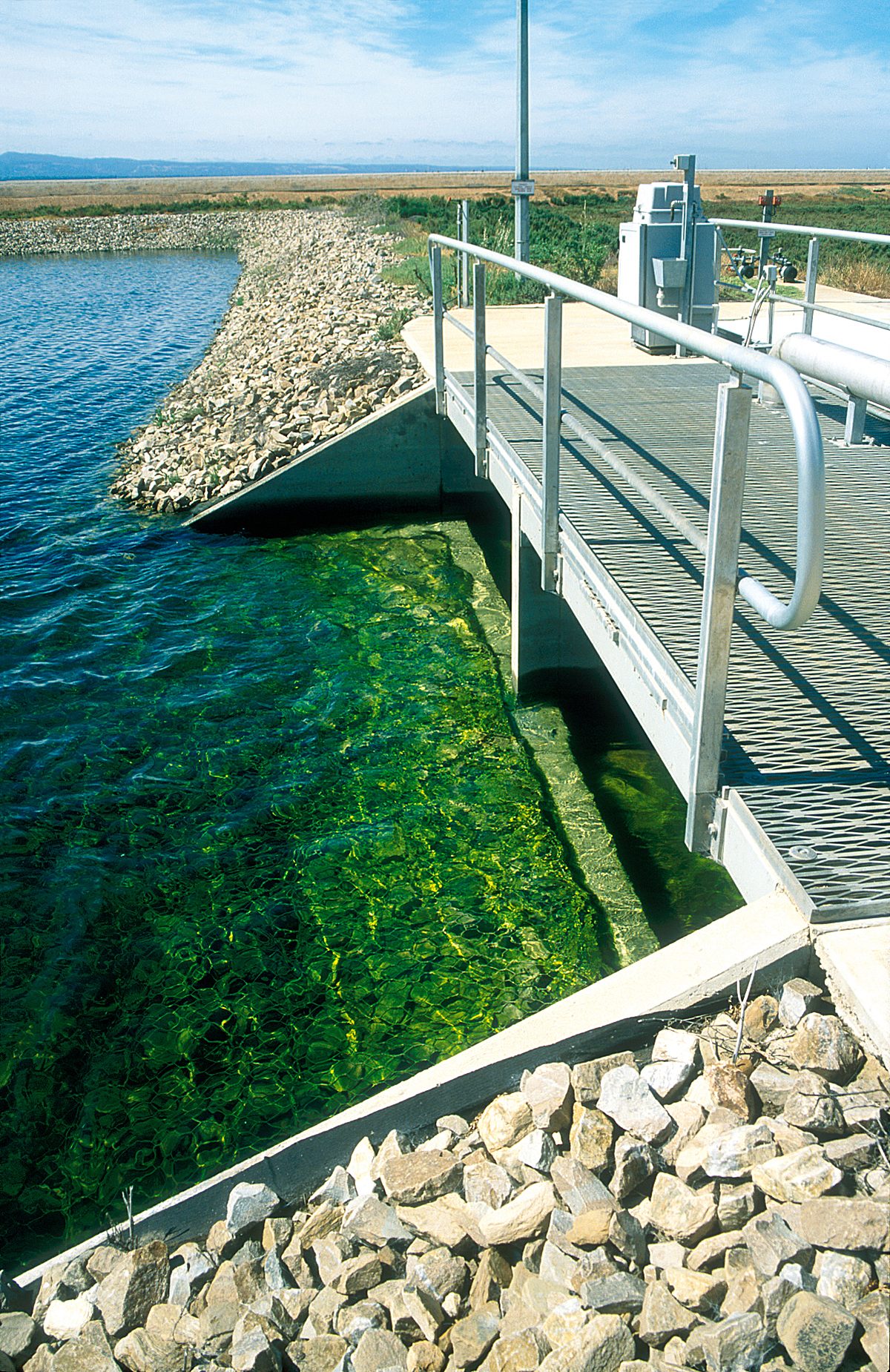
Agriculture in South Korea faces a quiet crisis. The average age of Korean farmers exceeded 65 in 2024, and over 50% of farmers are now over 65. Fewer young people are entering the sector, labor costs are rising, and many smallholders feel the pressure to modernize or risk retirement. On top of this, land fragmentation — the division of farmland into small, scattered plots — makes precision farming and efficient irrigation harder to plan and execute. These structural challenges make water efficiency not just an environmental choice, but a business necessity. Globally, agriculture accounts for approximately 70% of all freshwater withdrawals, and inefficient flood or furrow irrigation wastes up to 50% of the water applied to fields through evaporation, runoff, and deep percolation beyond the root zone. On a small Korean farm, where every drop and every won counts, that level of waste is unsustainable. Matching your irrigation system properly to your farm's layout, crop type, and soil can reduce water waste by approximately 30% — a meaningful saving when water costs directly impact your bottom line. The broader industry is already moving toward smarter solutions. Over 60% of South Korean farms are projected to adopt smart farming technologies by 2026, including IoT sensors, automated valves, and data-driven irrigation scheduling. High-value crops like ginseng and strawberries are at the forefront of this shift, as farmers work to meet growing global demand and a national agricultural export target exceeding $10 billion by 2025.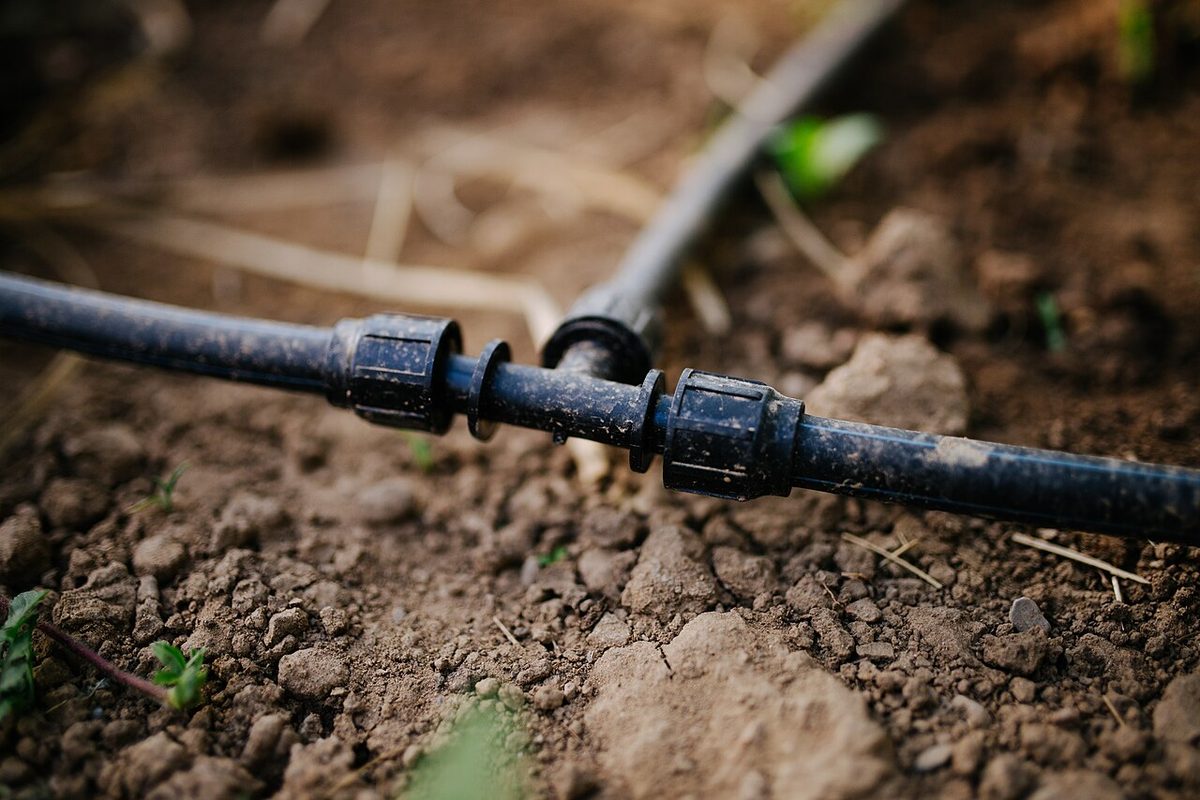
Know Your Soil Before You Choose a System
Your soil type is the single most important factor in deciding how — and how often — to irrigate. It also shapes which system will work best for you. Clay soils hold more water and need less frequent irrigation. Sandy soils hold less water and need more frequent watering. Loam soils offer a moderate balance. Building organic matter into your soil improves water retention across all soil types. Mulch also reduces evaporation and conserves soil moisture, making it especially valuable regardless of what soil you are working with. Take the time to observe how your soil drains after rain or irrigation. Does water pool on the surface? Does it disappear quickly? Walk your plots after a good rain and notice which areas hold moisture longest. This simple observation will guide you toward the right system and schedule.Choosing the Right Irrigation Method for Your Farm
No single irrigation method suits every small farm. The best choice depends on crop type, soil type, farm size, water source, available budget, local climate, and your ability to maintain the system. Here are the main options to consider:Drip Irrigation
Drip irrigation uses a network of tubes and emitters to deliver water directly to each plant's base. It achieves over 90% water application efficiency, compared to just 50-60% for traditional flood or furrow methods. That efficiency gap is significant. Drip systems also support fertigation — mixing liquid fertilizers into the water stream for direct root delivery — which reduces chemical runoff and saves on input costs. The main trade-off is higher initial cost and the need for regular maintenance to keep emitters from clogging. Drip systems suit row crops well and are a strong choice if you grow vegetables or high-value crops like ginseng.Sprinkler Systems
Sprinkler systems apply water through overhead sprinklers and suit situations where surface irrigation is impractical. They are versatile and can cover uneven terrain, but they carry higher energy costs from pumping, greater potential evaporation loss on windy or hot days, and a higher risk of spreading foliar disease. If you choose sprinklers, plan for higher operating costs and schedule irrigation during cooler parts of the day.Surface Irrigation
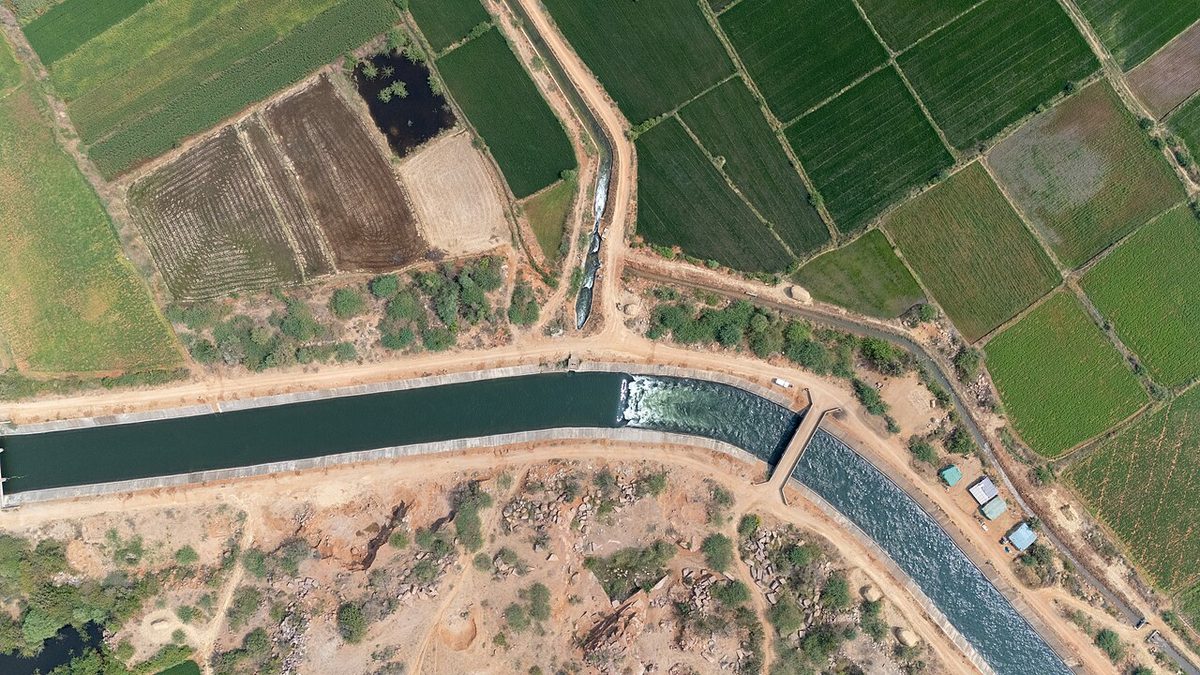
Surface irrigation uses gravity to move water across the field. It requires relatively level ground, is less efficient than other methods, and can cause erosion over time. For many small Korean farms with fragmented, uneven plots, surface irrigation is increasingly impractical — but if your land is naturally flat and your water supply is reliable, it remains the lowest-cost option to install.What the Numbers Show
Some useful benchmarks to keep in mind when evaluating systems:- Properly timed and measured irrigation can increase crop yields by 20-40% in dry conditions
- Water stress during critical growth stages causes the greatest yield loss
- Automated systems can reduce labor requirements by approximately 30%
- Efficient systems can deliver water savings of up to 50% compared to flood methods
- Annual maintenance typically costs approximately 5-10% of the initial installation cost
- Seventy-three percent of farmers report that farm layout impacts irrigation efficiency
- Approximately 75% of users prefer systems that sync easily with other equipment, and 80% prefer easy-to-navigate interfaces
Low-Cost Water-Saving Methods You Can Start Today
Improving irrigation efficiency does not always require expensive technology. Before investing in drip lines or automated sensors, consider these accessible steps:- Mulch around your crops to reduce evaporation from the soil surface. This is one of the simplest and most effective water-saving practices available.
- Repair leaking pipes and fittings promptly. A slow leak wastes more water than most people realize over the course of a season.
- Water during cooler parts of the day — early morning or evening — to minimize evaporation loss. Avoid irrigating in the heat of midday.
- Collect rainwater where local conditions and regulations allow. Rain barrels or simple catchment systems can supplement your water supply at no ongoing cost.
Smart Farming Technology for Small Korean Operations
As the average age of Korean farmers rises and labor becomes scarcer, automation is moving from a luxury to a practical necessity for many small farms. Smart farming technologies — including IoT sensors that monitor soil moisture, automated valves that respond to real-time data, and data-driven irrigation scheduling — can significantly reduce the physical workload. Over 60% of South Korean farms are projected to adopt smart farming technologies by 2026, reflecting a broader sector emphasis on innovation. Crops benefiting from tailored irrigation approaches number over 60%, and farms using automation report higher efficiency, with 67% of such farms noting improved performance. Seventy-five percent of users prefer systems that sync easily with other equipment, and 80% prefer easy-to-navigate interfaces — useful considerations when comparing products. High-value export crops like ginseng and strawberries are being targeted by tech-driven approaches as South Korea works toward an agricultural export target exceeding $10 billion by 2025. Blockchain-based agricultural traceability is also growing in Korean supply chains, adding a quality-assurance dimension that technology can support. For small farms, the key is to start with practical automation — such as a basic soil moisture sensor and timer — rather than a fully integrated system. This keeps costs manageable while delivering real labor savings.
Irrigate by Need, Not by the Calendar
One of the most common irrigation mistakes is watering on a fixed schedule regardless of weather or actual soil conditions. Fixed-schedule irrigation does not account for recent rainfall, temperature swings, or the crop's actual demand. Instead, trigger irrigation based on soil moisture levels and crop need. When to water: Irrigate during early morning or evening to reduce evaporation loss. Avoid windy conditions, which blow water off target and increase evaporation. Regular soil moisture monitoring — even with a simple probe or by feel — helps you determine the right timing. How often: As a rough guideline, many vegetables require approximately 1-2 inches of water per week during active growth, but this varies significantly with weather, soil type, and stage of development. Adjust accordingly.The Growth Stages That Demand the Most Water
Not all stages of a crop's life are equally important for watering. Ensuring adequate water during the most critical growth windows protects yields more effectively than any other single timing intervention.- Corn is most sensitive to water stress during tasseling and silking, where a water deficit can cause yield loss exceeding 50%. Corn is also vulnerable during grain fill.
- Vegetables are most at risk during flowering and fruit development. Missing water at this stage affects fruit set and quality.
Making a Plan That Fits Your Farm
Start with a simple farm assessment. Walk each plot and note the soil type, slope, water source, and what you are growing. Sketch a rough map showing where water is available and which areas are furthest from the source. Consider your budget honestly and think about what you can maintain — a sophisticated system that breaks down and cannot be repaired is a poor investment. If your farm has small, scattered plots — common across much of South Korea's agricultural landscape — look for modular systems that can be expanded plot by plot rather than one large installation. This spreads the cost and lets you adapt as you learn what works on each piece of land. Consulting a local agricultural advisor or experienced neighbor can save you from costly mistakes and help you choose a system suited to your specific conditions.A Practical Path Forward
Start Small and Build Up
Start small, learn fast, and upgrade only when you know you need to. Many South Korean farmers have had success beginning with just one or two plots and a basic timer-based drip system. Once you see how much water — and money — it saves, expanding to the rest of your land becomes much easier.
Keep It Simple and Keep Records
Keep simple records. Note when you irrigate, how much water each crop received, and how the plants responded. Even a notebook works. Over a season or two, patterns will emerge that help you fine-tune your schedule and avoid waste.
Make Use of Local Support
Take advantage of the support available to you. The Rural Development Administration and local agricultural cooperatives often offer subsidies, training, or free consultations for farmers adopting water-saving technologies. These programs exist to help smallholders like you stay competitive and protect the land you depend on.
Conclusion
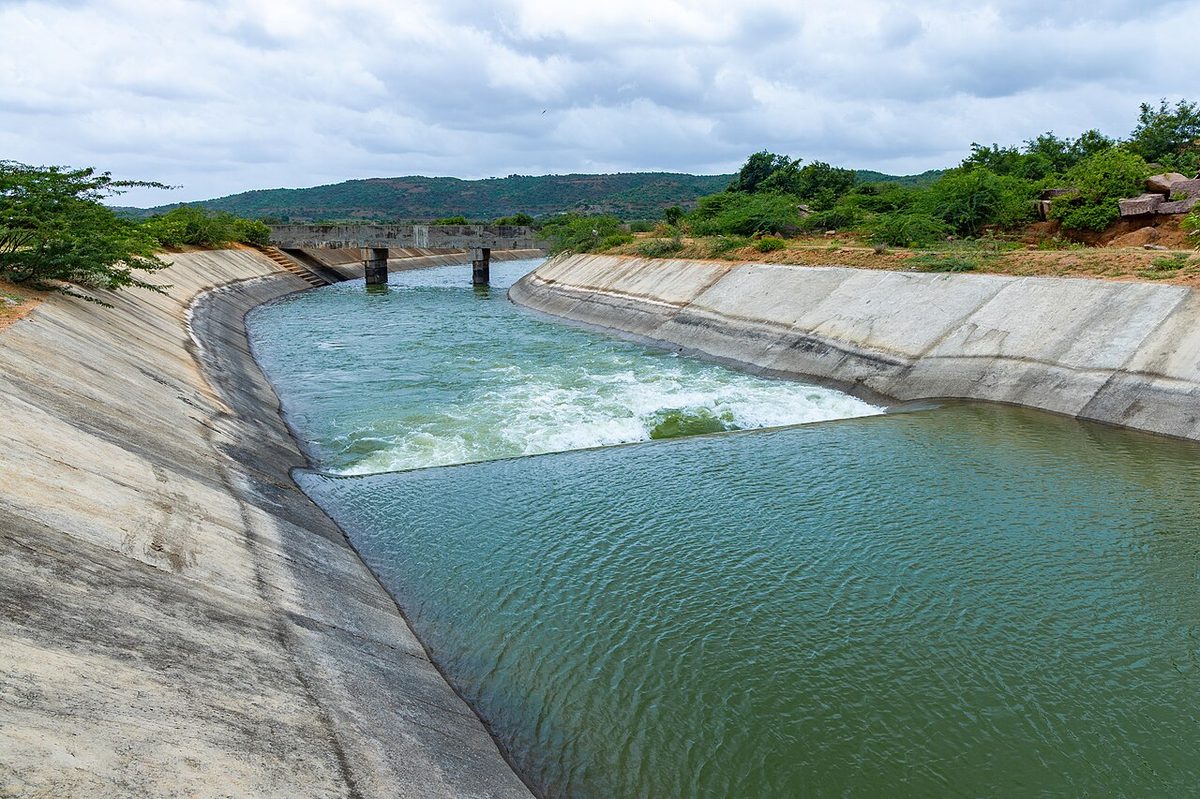
Smart irrigation is not about buying the most expensive equipment. It is about using the right amount of water, at the right time, in the right place. For small South Korean farms, even basic changes — better scheduling, drip lines, or a simple soil moisture sensor — can cut water use, lower costs, and improve yields.
Take that first step this growing season. Talk to your neighbors, call your local agricultural office, and try one small improvement. Smart irrigation does not have to be perfect from day one. It just has to be better than what came before — and for most small farms, that is well within reach.
 Menu
Menu
💬 Comments
Login to comment
No comments yet. Be the first to share your experience!