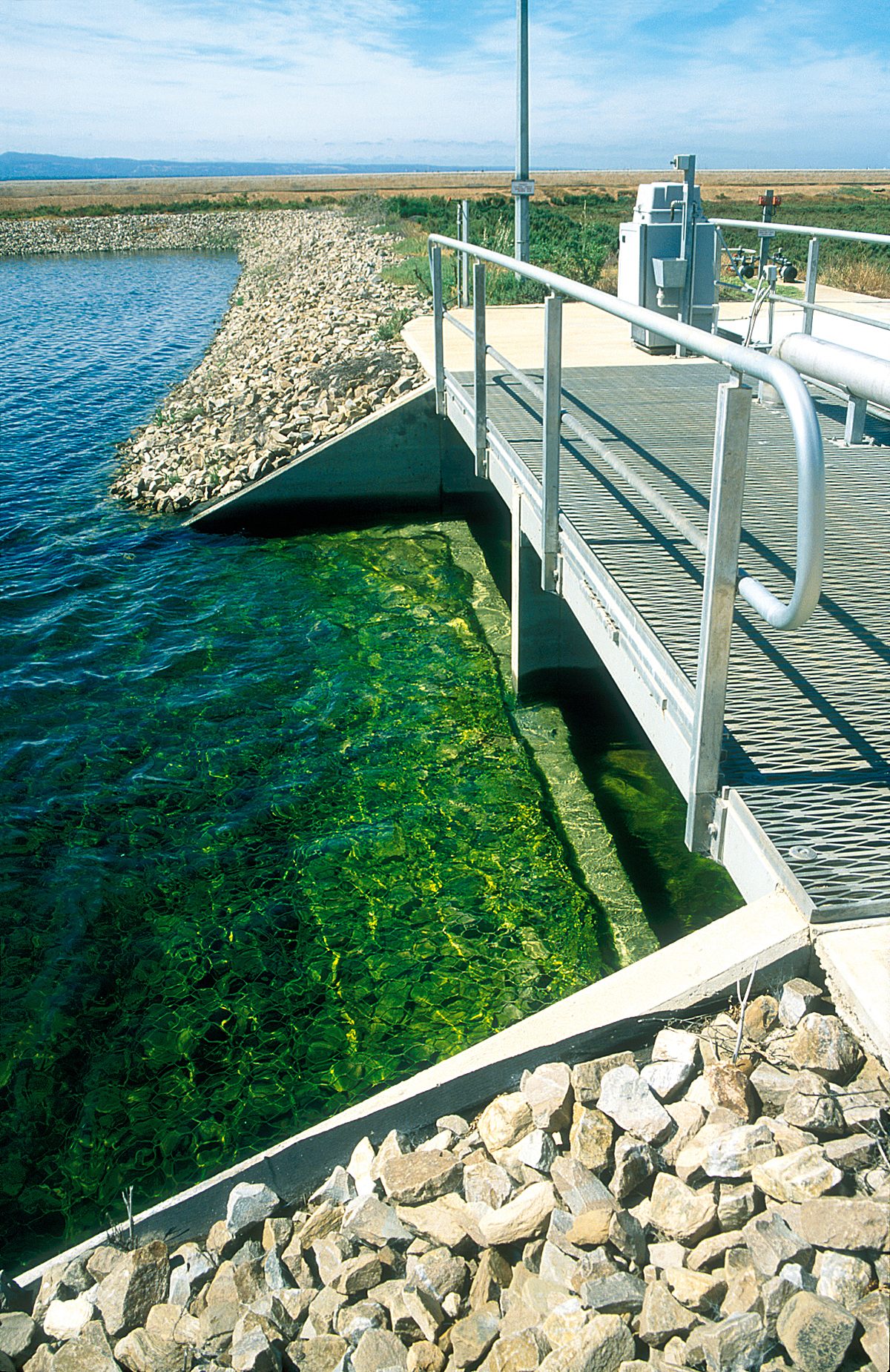
Water is one of the biggest challenges for a small farm in Timor-Leste. Nearly all agriculture is rain-fed, and less than 10% of farmland benefits from irrigation. When rain arrives late, stops early or falls unevenly, crops can suffer. During the dry season, surface water sources may also shrink and leave rural communities with severe shortages.
You cannot control the weather, but you can make better use of the water available to you. Careful collection, efficient distribution, simple monitoring and suitable irrigation technology can all help. The right approach will depend on your water source, field, crops and local conditions.
Understand the water challenges around your farm
Water availability in Timor-Leste can change sharply between seasons and years. Prolonged dry spells can reduce supplies. El Niño and La Niña cycles also affect rainfall and water availability. Tropical storms and cyclones bring another kind of risk, because heavy rain may arrive quickly rather than at the time crops need it.
The shape of the land makes water management more difficult. Many rivers are steep and travel only a short distance before reaching the sea. During intense rain, they can discharge rapidly and produce flash floods. Retention capacity is limited, sedimentation is high, and much of the water can flow away before farmers use it. Permanent water bodies are also scarce.
This means that one rainy period does not always guarantee a secure farm water supply. A farmer may see large amounts of water flowing through the area, yet still face shortages later in the season.
Watch for changes, not only dry conditions
Pay attention to how your water sources change through the year. Useful local conditions to monitor include:
- Rainfall
- Stream fall
- Groundwater levels
- Salinity levels
Community water programmes are building skills in hydrological surveys and in collecting and analysing this kind of information. Local records can help communities understand when water is becoming less reliable. They can also support discussions about how available water should be collected, shared and used.
Plan collection and distribution together
Efficient water collection is only one part of small-farm water management. Water must also move from its source to the crop without unnecessary waste. Improving both collection and distribution is a priority for making farms more resilient.
Before choosing equipment, look at the whole path that water follows. Start with the source, then consider how it reaches the field and how it is applied near the crop. The suitable design and size of a tank, infiltration basin, pump or irrigation system depend on the local situation and the particular field. Seek local technical guidance before deciding on these details.
Water-use rules and permit requirements for rivers, springs and groundwater can also depend on the local situation. Check with the appropriate nearby office before changing or developing a water source.
Work across the catchment
Water does not stop at the edge of one farm. What happens across the wider catchment can affect how water moves and how long it remains available. Community-led catchment management is being investigated as a way to support practical and sustainable water use.
This work is operating across six municipalities and three different climate zones. Researchers and local partners are evaluating nature-based, integrated land and water management practices. Because conditions differ between places, communities need approaches that reflect their own rainfall, land and water patterns.
Working together can also make local monitoring more useful. If several people record rainfall or changes in streams and groundwater, the community can build a clearer picture than one farmer can create alone.
Consider drip irrigation for suitable crops
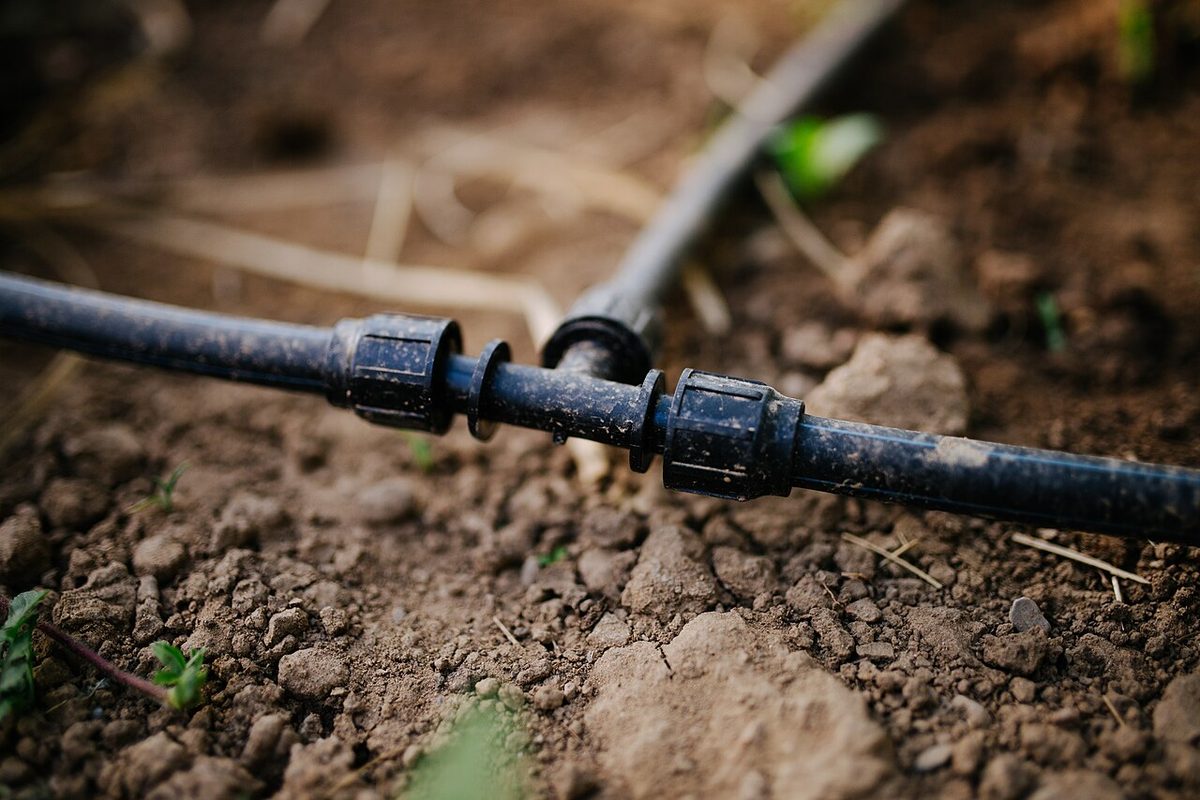
Drip irrigation can help deliver water directly to crop roots through pipes, emitters and valves. This reduces water wastage compared with less targeted distribution. It can be useful where water is limited and needs to be applied carefully.
Drip irrigation is described as suitable for:
- Horticulture
- Vegetables
- Fruits
- High-value crops
- Cash crops
- Plantation crops
Demand for drip irrigation is concentrated in rural farming areas. Small farms are using it for several types of fruit, cash and plantation crops, as well as vegetables and other horticultural production.
Think beyond the first purchase
A drip system requires upfront investment, which can be difficult for a small farmer. Imported supplies dominate the market, so access to suitable products and replacement parts may also be a concern. Prices for complete kits vary locally. Ask a nearby dealer for current costs and confirm what is included before making a decision.
Training matters as much as the equipment. A lack of skills and awareness can affect both adoption and maintenance. Before buying, find out whether you can receive practical guidance on installation, daily use and maintenance. Also ask where you can obtain reliable pipes, emitters, valves, filters, pumps and replacement parts. Availability varies locally.
Do not guess how much water each crop needs or how often to irrigate it. Crop water needs depend on the crop and local situation. Seek nearby technical advice that fits your field and water supply.
Look at low-pressure and solar-powered options
Some irrigation products are being developed specifically for smaller rural farms. These include affordable, easy-to-install drip kits that need minimal water pressure. A low-pressure system may be worth discussing with a supplier if high pressure is not available at your field.
Solar-powered pumping is also gaining traction. It can provide irrigation for remote fields without grid electricity. However, the price and correct system size depend on the farm, pump, field and water source. Ask a local supplier or technical adviser to assess the situation rather than choosing a size without guidance.
Use advice tools carefully
Mobile-based advisory platforms are being developed to provide information about water use, crop requirements and maintenance. Such guidance may help farmers understand their systems, but it still needs to match local field conditions.
Before adopting any irrigation technology, consider these practical questions:
- Is it suitable for the crops you grow?
- Can it work with the water pressure available?
- Can you obtain training for installation and maintenance?
- Are replacement emitters and other components available locally?
- Can a nearby adviser help you choose the right system size?
Information about government, NGO or cooperative support can vary by location. Check with a nearby office or organisation to learn whether any relevant programme is operating in your area and how applications are handled.
Use water information to prepare for dry periods
Records from above the farm can also help show how water changes over time. An ADB and ESA activity used Copernicus Sentinel-1 radar and Sentinel-2 optical data to produce monthly surface-water composites. The analysis covered 2018–2022 and examined changes in surface-water extent across Timor-Leste.
Lagua Seloi Kraik in central Timor-Leste shows why this information matters. It is an important agricultural water source, particularly for rice farming. Between 2019 and 2020, the satellite analysis found a sharp reduction in its minimum water extent after an El Niño event intensified in late 2018.
For a farmer, the lesson is simple: a water source that is important today may become much smaller during drought. Local monitoring and longer-term water information can support earlier, more careful planning.

Why better farm water management matters
Water security is closely tied to food production. Around 25% of people in Timor-Leste cannot meet their daily food needs. Nearly 50% of children under the age of five experience stunted growth. Water insecurity and climate impacts make it harder for families to produce enough food.
Small-farm irrigation alone cannot remove every challenge, but careful water use can help farmers make more of a limited supply. Begin by understanding your source and watching how it changes. Consider efficient distribution and drip irrigation where they suit your crops. Ask for training before investing, and work with your community where water is shared across a catchment.
There is no single system that fits every farm in Timor-Leste. Choose each step according to your local water, land and crops. A simple system that you can use and maintain properly is more useful than equipment that does not match your field. With careful planning, local monitoring and suitable support, you can use scarce water more wisely and improve the reliability of crop production through difficult seasons.

 Menu
Menu
💬 Comments
Login to comment
No comments yet. Be the first to share your experience!