🍪 Cookie Consent
We use cookies to improve your experience, analyse how the site is used, and show relevant content. By choosing Accept you agree to that. See our
Privacy Policy.
Free dog food safety guide
What can dogs eat?
A plain, vet-sourced answer for the human foods dog owners reach for. Search a food below, or scroll the A–Z — each one is marked safe in moderation, feed with caution, or never, with the reason and how to serve it.
68 foods checked39 safe11 caution18 never
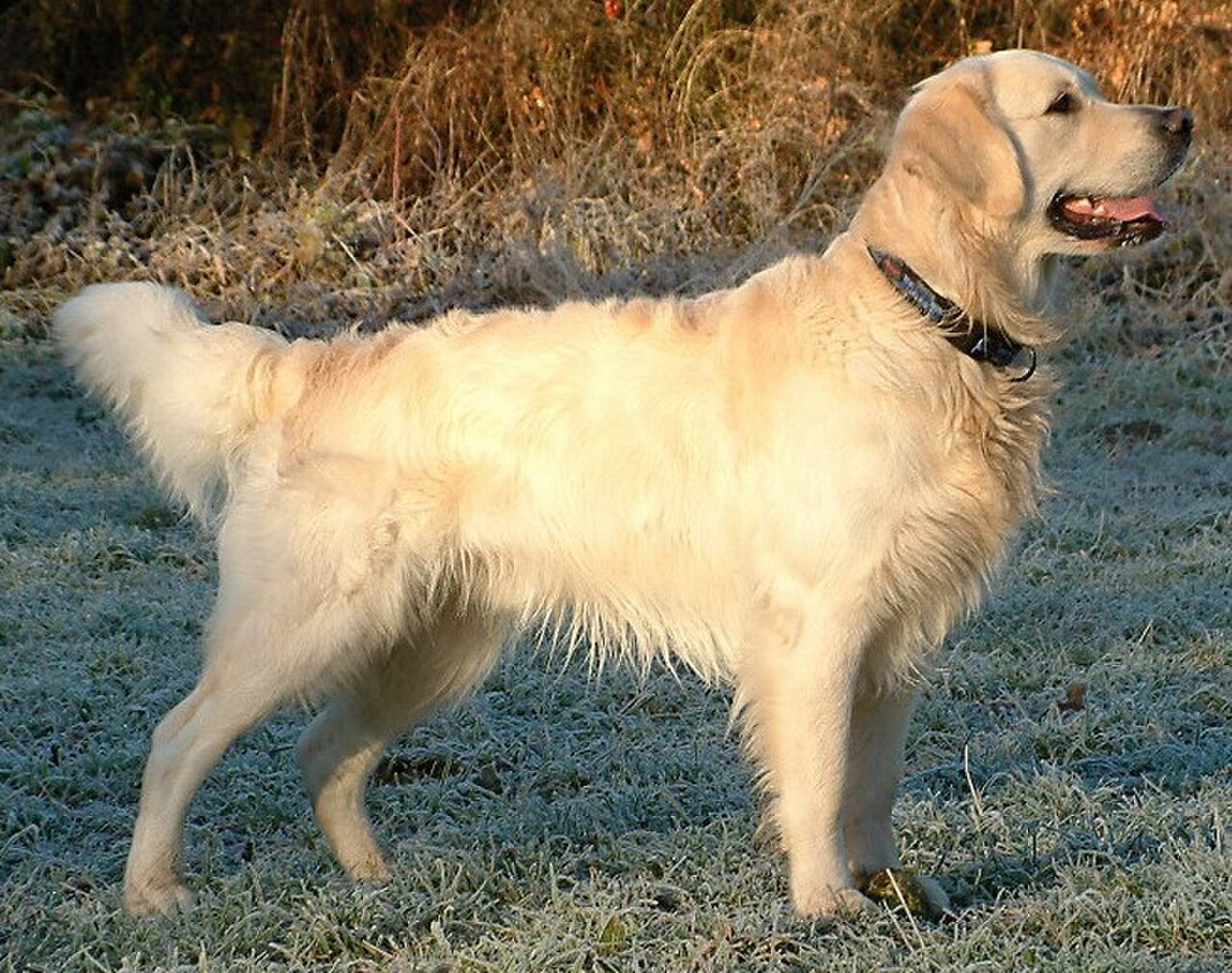
Photo: Dukedestiny01.jpg: "Janneke Vreugdenhil" derivative work: An — Public domain, via Wikimedia Commons
24/7. A per-call fee applies. For owners, not vets.
Can my dog eat…? The A–Z
Filter by verdict or search a food. Every entry shows why, and how to serve it if it's safe.
Showing 68 of 68 foods
Alcohol
No
Drinks & other · Never — toxic to dogs
Never. Far more potent in dogs than in us.
Beer, wine, spirits and foods made with them can cause vomiting, disorientation, dangerously low blood sugar and trouble breathing. Raw bread dough is a hidden source.
Almonds
It depends
Nuts & seeds · Feed with caution
Not recommended.
Not truly toxic, but almonds are hard for dogs to digest and are a choking or blockage risk; salted or flavoured ones pile on salt. Best skipped.
Apples
Yes
Fruit · Safe in moderation
Yes — without the core and seeds.
Crunchy, low-calorie and full of fibre and vitamin C. Remove the core and pips (the seeds contain a trace of cyanide) and slice it up.
Avocado
It depends
Fruit · Feed with caution
Not recommended. Persin, plus a big pit.
Avocado contains persin; dogs are fairly resistant, so a little flesh usually causes only stomach upset — but the large stone is a real choking and obstruction hazard. Easiest to skip.
Bananas
Yes
Fruit · Safe in moderation
Yes, in moderation.
A sweet, potassium-rich treat — but high in sugar, so a few slices is plenty. Great mashed into a puzzle toy or a lick mat.
Bell peppers
Yes
Vegetables · Safe in moderation
Yes — red is best.
Sweet peppers are safe and rich in vitamins (red has the most). Serve raw or cooked, with no seasoning.
Blueberries
Yes
Fruit · Safe in moderation
Yes — a great little treat.
Low in calories, high in antioxidants and fibre, and the perfect training-treat size. Fresh or frozen.
Bread
Yes
Grains & bread · Safe in moderation
Yes — plain, small amounts.
A little plain white or wholemeal bread won't hurt, but it's empty calories. Never raw dough, and watch for nuts, raisins or xylitol in speciality loaves.
Broccoli
Yes
Vegetables · Safe in moderation
Yes, small amounts.
Fine in small amounts, but too much causes gas and stomach upset (the florets contain isothiocyanates). A little steamed is best.
Carrots
Yes
Vegetables · Safe in moderation
Yes — an ideal treat.
Crunchy, low-calorie and good for the teeth. Raw sticks or cooked; cut into rounds for small dogs to avoid choking.
Cashews
Yes
Nuts & seeds · Safe in moderation
Yes — a few, plain.
A couple of plain, unsalted cashews are okay as an occasional treat; they're fatty, so keep it to a few.
Celery
Yes
Vegetables · Safe in moderation
Yes.
Low-calorie and crunchy. Cut it into small pieces so it's easy to chew.
Cheese
It depends
Dairy · Feed with caution
In moderation — some dogs can't handle it.
Small amounts of low-salt cheese make a handy high-value training treat, but it's fatty and many dogs are lactose-intolerant. Stop if it causes gas or loose stools.
Cherries
No
Fruit · Never — toxic to dogs
Avoid. The pits, stems and leaves hold cyanide compounds.
The flesh isn't the real problem — the stone is both a choking and blockage hazard and contains cyanogenic compounds. It's easiest to skip cherries rather than risk a swallowed pit.
Chives, leeks & shallots
No
Vegetables · Never — toxic to dogs
Never. The rest of the onion family.
Chives, leeks, shallots and spring onions are all alliums with the same red-blood-cell toxin as onion and garlic — cooked or raw.
Chocolate
No
Sweets & extras · Never — toxic to dogs
Never. It contains theobromine, which dogs can't clear fast enough.
Dark, baking and cocoa are the worst; even milk chocolate is risky by weight. Signs — vomiting, a racing heart, tremors, seizures — can take 6–12 hours. If your dog ate any, use our chocolate calculator to estimate the dose and call a vet or poison line.
Coconut
Yes
Fruit · Safe in moderation
Yes, small amounts.
A little coconut flesh or plain coconut oil won't harm; it's fatty, so keep it small and skip sweetened flakes.
Coffee & caffeine
No
Drinks & other · Never — toxic to dogs
Never. The same drug family as chocolate.
Coffee, tea, energy drinks and used grounds or beans contain caffeine, a methylxanthine like theobromine — expect a racing heart, restlessness and tremors.
Cooked bones
It depends
Meat, fish & eggs · Feed with caution
Never cooked — they splinter.
Cooked bones (chicken, chop, rib) go brittle and can splinter into sharp pieces that damage the mouth, throat or gut. Ask your vet about safe chew options instead.
Cooked chicken
Yes
Meat, fish & eggs · Safe in moderation
Yes — a top choice.
Skinless, boneless, plain-cooked chicken is lean and gentle — the classic bland-diet protein. No bones, no seasoning.
Cooked fish & salmon
Yes
Meat, fish & eggs · Safe in moderation
Yes — fully cooked and boneless.
Cooked salmon, whitefish or sardines (boneless, no seasoning) are great for the skin and coat. Never raw salmon or trout, and always check for bones.
Cooked turkey
Yes
Meat, fish & eggs · Safe in moderation
Yes — plain only.
Lean, unseasoned turkey off the bone is fine. Skip the skin, fat, gravy and stuffing, which often hides onion and garlic.
Corn on the cob
No
Vegetables · Never — toxic to dogs
Never on the cob — plain kernels are fine.
The cob doesn't break down and is a classic cause of a life-threatening gut blockage that often needs surgery. Plain cooked kernels off the cob are safe in small amounts.
Courgette (zucchini)
Yes
Vegetables · Safe in moderation
Yes.
Low-calorie and safe raw or cooked, as long as it's unseasoned.
Cranberries
Yes
Fruit · Safe in moderation
Yes, small amounts.
Fresh or plain dried cranberries are fine in small amounts. Avoid cranberry sauce (sugar) and any dried-fruit mix that hides raisins.
Cucumber
Yes
Vegetables · Safe in moderation
Yes.
Mostly water and very low in calories — good for a hot day. Slice it to a size your dog can chew safely.
Eggs
Yes
Meat, fish & eggs · Safe in moderation
Yes — cooked.
Fully cooked eggs are a good, easy-to-digest protein. Skip raw eggs and any added salt or oil.
Garlic
No
Vegetables · Never — toxic to dogs
Never. More concentrated than onion.
Same allium toxin as onion, gram for gram stronger. Skip garlic bread, seasoned meat and 'natural' garlic supplements unless your own vet directs it.
Grapes
No
Fruit · Never — toxic to dogs
Never. Grapes can cause sudden kidney failure.
Even a small amount has poisoned some dogs, and the toxic dose is unpredictable — the exact cause still isn't fully understood. This includes grape juice. Call a vet immediately if your dog eats any.
Green beans
Yes
Vegetables · Safe in moderation
Yes — a diet favourite.
Plain (fresh, steamed or tinned with no salt) they're low-calorie and filling — a go-to for dogs watching their weight.
Ham, bacon & processed meat
It depends
Meat, fish & eggs · Feed with caution
Limit. Too much salt and fat.
Very salty and fatty; the fat can trigger pancreatitis and the salt adds up. An occasional tiny piece of lean, unseasoned meat is a much better treat.
Honey
Yes
Sweets & extras · Safe in moderation
Yes — tiny amounts.
A small taste of honey is safe for healthy adult dogs, but it's pure sugar — not for puppies, diabetic or overweight dogs.
Hops
No
Drinks & other · Never — toxic to dogs
Never. A risk in homes that brew beer.
Both fresh and spent hops can cause a dangerous rise in body temperature, especially in certain breeds. Store brewing supplies well out of reach.
Ice cream
It depends
Dairy · Feed with caution
Skip it — sugar, lactose, maybe xylitol.
Many dogs can't handle the lactose, the sugar is empty, and some 'sugar-free' or novelty flavours may contain xylitol. Plain frozen banana or a dog-specific frozen treat is far safer.
Lean beef
Yes
Meat, fish & eggs · Safe in moderation
Yes — plain, cooked.
Plain cooked lean beef is a good protein. Trim the fat and skip the salt and seasoning.
Macadamia nuts
No
Nuts & seeds · Never — toxic to dogs
Never. They cause weakness, tremors and overheating.
Even a handful can bring on weakness (often in the back legs), vomiting, tremors and a high temperature within 12 hours. The mechanism is unknown; most dogs recover with vet care, so call.
Mango
Yes
Fruit · Safe in moderation
Yes — without the pit.
Soft, sweet and rich in vitamins. Remove the large stone (a blockage risk) and the skin, and go easy — it's high in sugar.
Melon (cantaloupe)
Yes
Fruit · Safe in moderation
Yes, in moderation.
Sweet and hydrating; skip the rind and keep portions small because of the sugar.
Milk
It depends
Dairy · Feed with caution
A little at most — no real benefit.
Most adult dogs are somewhat lactose-intolerant, so milk often brings gas or diarrhoea. A tiny amount isn't toxic, but there's nothing in it a dog needs.
Mouldy food
No
Grains & bread · Never — toxic to dogs
Never. Mould makes tremor-causing toxins.
Mouldy bread, cheese, nuts or bin scraps can hold tremorgenic mycotoxins that cause tremors and seizures within hours. Keep compost and rubbish out of reach.
Nutmeg
No
Sweets & extras · Never — toxic to dogs
Avoid. Large amounts contain myristicin.
A light dusting on food is unlikely to harm, but larger amounts — baking spills, eggnog — can cause disorientation, a racing heart and stomach upset.
Oatmeal
Yes
Grains & bread · Safe in moderation
Yes — plain, cooked.
Plain cooked oatmeal (no sugar, no milk, no flavour sachets) is a good fibre source in small amounts.
Onions
No
Vegetables · Never — toxic to dogs
Never. All forms damage red blood cells.
Raw, cooked, powdered or in leftovers — onion (and the whole allium family) causes oxidative damage that can lead to anaemia, sometimes days later. Onion powder hidden in gravy, soup and baby food is easy to miss.
Oranges
Yes
Fruit · Safe in moderation
Yes, small amounts.
Non-toxic and high in vitamin C, but acidic and sugary. Peel it and offer a segment or two — many dogs turn their nose up anyway.
Pasta
Yes
Grains & bread · Safe in moderation
Yes, in moderation.
Plain cooked pasta with no sauce is safe but starchy — a small amount only, and never a garlic or onion sauce.
Peanut butter
Yes
Nuts & seeds · Safe in moderation
Yes — xylitol-free only.
Plain, unsalted peanut butter is a favourite — but READ THE LABEL: some brands now use xylitol, which is deadly to dogs. If it's xylitol-free, a small smear is fine.
Peanuts
Yes
Nuts & seeds · Safe in moderation
Yes — plain and unsalted.
A few plain, unsalted, shelled peanuts are fine. Skip salted or flavoured ones and don't overdo the fat.
Pears
Yes
Fruit · Safe in moderation
Yes — no seeds.
A good source of fibre and vitamins C and K. Remove the pips and core and serve in slices.
Peas
Yes
Vegetables · Safe in moderation
Yes.
Green peas (fresh, frozen or thawed, no salt) are a fine addition in small amounts.
Pineapple
Yes
Fruit · Safe in moderation
Yes, in moderation.
Fresh chunks (not the core or skin) are fine in small amounts; it's sugary and acidic, so a little goes a long way.
Plain yogurt
Yes
Dairy · Safe in moderation
Yes — plain, xylitol-free, small.
A spoon of plain, unsweetened yogurt suits many dogs (skip it if lactose bothers them). Never the sweetened or 'sugar-free' kinds, which may contain xylitol.
Popcorn
Yes
Grains & bread · Safe in moderation
Yes — air-popped and plain.
Air-popped, unsalted, unbuttered popcorn is a light treat. Skip the salt and butter and any un-popped kernels.
Potato
It depends
Vegetables · Feed with caution
Cooked plain is fine; raw or green is not.
Green, sprouting or raw potato and the plant contain solanine. Plain cooked potato with no butter, salt or seasoning is fine in small amounts.
Prawns (shrimp)
Yes
Meat, fish & eggs · Safe in moderation
Yes — cooked and peeled.
Plain cooked, peeled prawns in small amounts are fine. No shell, tail or seasoning.
Pumpkin
Yes
Vegetables · Safe in moderation
Yes — plain, cooked.
Plain cooked or tinned pumpkin (not pie filling, which has sugar and spice) is high in fibre and often used to settle mild tummy upsets. Ask your vet about amounts.
Raisins
No
Fruit · Never — toxic to dogs
Never. Dried grapes — even more concentrated.
Raisins, sultanas and currants carry the same kidney risk as grapes in a smaller, sweeter package that's easy for a dog to hoover up. Mind cereal, flapjacks, hot-cross buns and trail mix. Treat any amount as an emergency and call a vet.
Raw yeast dough
No
Grains & bread · Never — toxic to dogs
Never. It rises in the stomach and makes alcohol.
Uncooked bread dough keeps fermenting in the warm stomach: it swells (painful bloat, even a life-threatening twist) and produces alcohol at the same time. A double emergency — call a vet.
Rhubarb
No
Vegetables · Never — toxic to dogs
Avoid, especially the leaves.
Rhubarb leaves are high in oxalates that can affect the kidneys and drop blood calcium. Keep the plant and rhubarb desserts away.
Rice
Yes
Grains & bread · Safe in moderation
Yes — plain, cooked.
Plain cooked white or brown rice is a staple of the vet 'bland diet' for an upset stomach, usually with a little plain chicken.
Salty snacks
It depends
Sweets & extras · Feed with caution
Limit. Too much salt is dangerous.
Crisps, pretzels and salted popcorn add up fast; large amounts cause excessive thirst and vomiting and, rarely, dangerous sodium levels. Keep human snacks out of the routine.
Spinach
Yes
Vegetables · Safe in moderation
Yes, small amounts.
Non-toxic and nutritious, but high in oxalates, so keep it occasional rather than a daily thing.
Strawberries
Yes
Fruit · Safe in moderation
Yes, in moderation.
Full of fibre and vitamin C, but sugary — a couple, chopped, is enough. Skip any in syrup.
Sweet potato
Yes
Vegetables · Safe in moderation
Yes — cooked and plain.
Cooked, unseasoned sweet potato is a good source of fibre and vitamins. Never raw.
Tomatoes
It depends
Vegetables · Feed with caution
Ripe flesh in small amounts; green parts no.
A little ripe tomato is fine, but the green fruit, stems and leaves contain solanine and should be avoided. Skip tomato sauces (onion, garlic, salt).
Walnuts
It depends
Nuts & seeds · Feed with caution
Avoid — especially black or mouldy ones.
Black walnuts are toxic, and any mouldy walnut can carry tremor-causing toxins. Not worth the risk.
Watermelon
Yes
Fruit · Safe in moderation
Yes — seedless flesh only.
Hydrating and low-calorie. Remove the seeds and the hard rind, which can upset the stomach or block the gut.
Wild mushrooms
No
Vegetables · Never — toxic to dogs
Never wild ones. Plain shop mushrooms are low-risk.
Many wild mushrooms are deadly and hard to identify, so assume any your dog finds outdoors is dangerous and call a vet. Plain white or button mushrooms from the shop, unseasoned, are generally safe but pointless.
Xylitol (birch sugar)
No
Sweets & extras · Never — toxic to dogs
Never — one of the most dangerous of all.
This sweetener hides in sugar-free gum, mints, some peanut butters, baked goods and 'tooth-friendly' products. It triggers a rapid, dangerous drop in blood sugar and can cause liver failure. Always read the label before sharing, and treat any amount as an emergency.
No food matches that. Try another spelling, or browse the list below.
The rules that matter more than any single food
Keep treats to about a tenth of the day. Human food and treats together should be no more than roughly 10% of your dog's daily calories — the rest needs to be a complete dog food. Our dog feeding calculator works out that daily amount.
Introduce anything new in a small amount and watch for a day. If it brings on vomiting, diarrhoea or itching, stop and don't offer it again.
Plain is the rule: no salt, butter, oil, sauce or seasoning. Onion and garlic hide in a huge amount of cooked food, gravy and takeaway — those are the real danger in 'leftovers', not the meat.
Size matters. What's a snack for a Labrador is a big dose for a Chihuahua, and chunks that a big dog gulps can choke a small one — cut everything down.
When in doubt, or after any food on the 'never' list, call your vet or a poison line. Don't wait for symptoms, and never try to make your dog vomit at home.
Stock the everyday basics
The foods on this page are treats and extras — vets keep treats under about 10% of daily calories. The other 90% should be a complete, balanced dog food. If you're restocking the basics, here's a starting point.
Some links here are affiliate links: buy through one and Animalsss may earn a small commission, at no extra cost to you. It never changes which foods this guide calls safe or toxic.
The ones to never feed include chocolate, grapes and raisins, onions, garlic and the rest of the onion family, macadamia nuts, xylitol (a sweetener), alcohol, caffeine, raw yeast dough and corn on the cob. Several of these can be life-threatening even in small amounts.
What human foods are safe for dogs?
Plenty — plain cooked chicken, carrots, green beans, blueberries, apple (no core), watermelon (no seeds), pumpkin, plain rice and xylitol-free peanut butter are all good treats in moderation. 'Plain', 'in moderation' and 'no seasoning' are the phrases that keep them safe.
How much human food can my dog have?
As a rule of thumb, treats and human food together should stay under about 10% of your dog's daily calories, with a complete dog food making up the rest. Too much human food, even safe food, unbalances the diet and adds weight.
My dog ate something on the 'never' list — what do I do?
Call your vet or an animal poison-control line straight away with the food, the amount and your dog's weight — don't wait for symptoms, and don't try to make your dog sick at home. If it was chocolate, our chocolate calculator estimates the dose while you call.
Can puppies eat human food?
Be extra careful. Puppies are small, so a toxic dose is reached far sooner, and their stomachs upset easily. Stick to their puppy food, keep any safe treats tiny and occasional, and check with your vet first.
This is a general guide to common human foods, not a diagnosis or a substitute for your vet. Dogs differ, brands change their recipes, and any dog can react badly to a new food. If your dog has eaten something on the 'never' list or seems unwell, call your vet or an animal poison-control line.
Get more like this — free
New calculators, breed guides and animal shorts — straight to your inbox.
No spam, unsubscribe anytime.
 Menu
Menu