The smallest lizard documented here is the collared delma (Delma torquata), and it is genuinely tiny: 50 to about 70 mm from snout to vent, with an average weight of around 2.5 g. It is the smallest species in the Pygopodidae family — the legless lizards — and it lives in only one corner of Australia.
So the smallest lizard on this page is the collared delma. Before you scroll down looking for nine more names, though, there is something you deserve to know up front. It is the most useful thing on this page.
Why This List Has One Entry Instead of Ten
A top 10 usually means ten names and ten sets of measurements. That is not what you are getting here, and the reason is simple honesty. The collared delma is the only small lizard with full, checkable figures behind it — length, tail, weight, scale rows, habitat, breeding habits and legal status. No second species is named or measured anywhere in the material this article is built on.
That leaves two choices. Invent nine names to fill a headline, or tell you the truth and pour all the detail into the one animal that can actually be described. Padding a list with guesses would waste your time, and it could genuinely mislead you if you are trying to identify a small lizard on your own land. One full profile beats ten empty ones.
There is a second gap worth flagging, and this one comes from our own records. We hold 281,209 rows of price observations for all countries, with sample and manually entered rows excluded. Every row is an agricultural commodity — wheat, bhindi, green chilli, bottle gourd, potato, wood, maize and similar — or heifers. The only livestock series in that data is heifers at €2 to €9 per kg, averaging €6 per kg. There is not a single reptile, lizard or pet-trade record in it. So if what you actually came for was a price for a live lizard, we cannot give you one — and you should be wary of anyone who quotes you a figure without showing where it came from.
The Collared Delma at a Glance
Here is the whole animal in numbers, all of them as recorded:
- Snout-vent length: 50 to about 70 mm
- Tail length: 103 to 126 mm, which is longer than the body
- Average weight: around 2.5 g
- Body scales: overlapping, arranged in 16 rows
- Leaf litter it is found in: usually 30 to 100 mm deep
- Eggs: two, laid in December
- Conservation status: vulnerable in Australia
- Range: south-east Queensland and northern New South Wales only
One thing that list does not contain is a lifespan. There is no reliable figure for how long a collared delma lives, how fast it grows or when it reaches maturity. If someone offers you a neat number for any of those, ask where it came from.
A Legless Lizard Mistaken for a Snake
The first thing most people notice about a collared delma is what is missing: legs. Like every member of the Pygopodidae family, it has none at all. That is exactly why it gets killed by people who think they have found a snake. It is a lizard, not a snake.
Two features separate it from the snakes it shares its ground with. The first is its scales — overlapping body scales arranged in rows of 16. The second is the colour pattern, which shifts along the animal from a bluish-grey tinge through a brown body to a black head with cream or yellow ringed interspaces.
The rings are the giveaway, and they are where the name comes from: usually one ring around the head and two to three rings around the neck. That marking is why it is also called the adorned delma. Add a tail that is longer than the body — 103 to 126 mm against 50 to about 70 mm — and you can see why a 2.5 g animal is so often mistaken for something far bigger and far more dangerous than it is.
Where the Collared Delma Lives
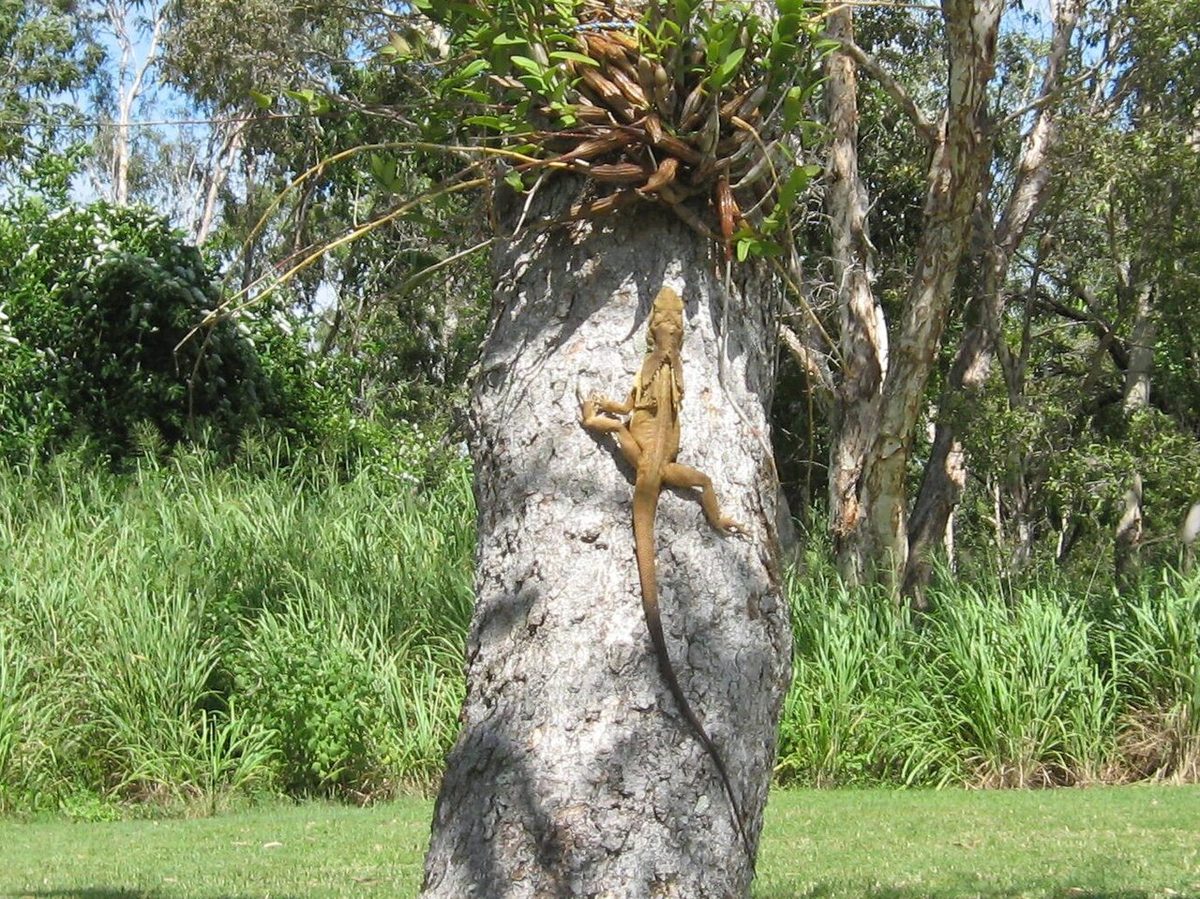
This is an Australian animal, found nowhere else. It is mostly located in south-east Queensland, with records in northern New South Wales. Its Queensland distribution is highly fragmented and restricted, split into coastal and inland areas by phylogeographical changes — in plain terms, the population is broken into pockets rather than spread evenly across the map.
Places it has been recorded
Named sites include the Bunya Mountains, Blackdown Tablelands National Park, Expedition National Park, Western Creek near Millmerran, and the Toowoomba Range. Large concentrations have also been reported in western Brisbane suburbs: Kenmore, Pinjarra Hills, Anstead, Mt Crosby, Lake Manchester and Karana Downs.
That last cluster is worth pausing on. This is not a lizard that only lives in remote wilderness. Several of its strongholds are ordinary suburbs, which shapes almost everything in the threats section below.
The habitat it chooses
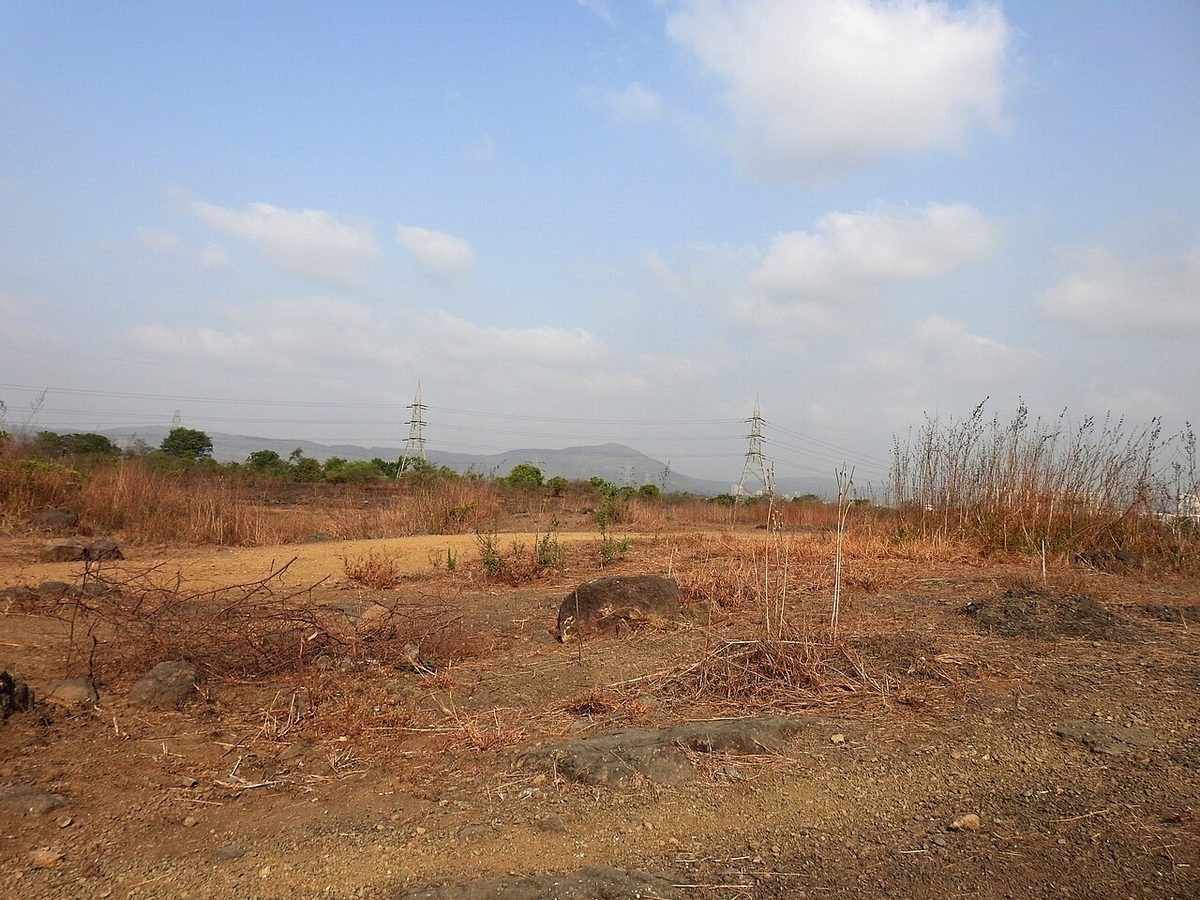
In Queensland the species mainly inhabits eucalypt and acacia heavy woodlands and open forests. It shows a clear preference for west-facing ridge lines, sitting in the midstory area of open forests under a layer of fallen leaves and loose rock.
The trees above it change across its range. In the eastern parts of its distribution, the canopy species are silver-leaved ironbark, Moreton Bay ash, gum top box, tallowwood and Queensland blue gum. West of Brisbane it is red ash together with wattles such as Brisbane wattle and hickory wattle. On the ground, the cover grasses include kangaroo grass, barbed-wire grass, wiregrass and Lomandra.
Soil matters less than debris
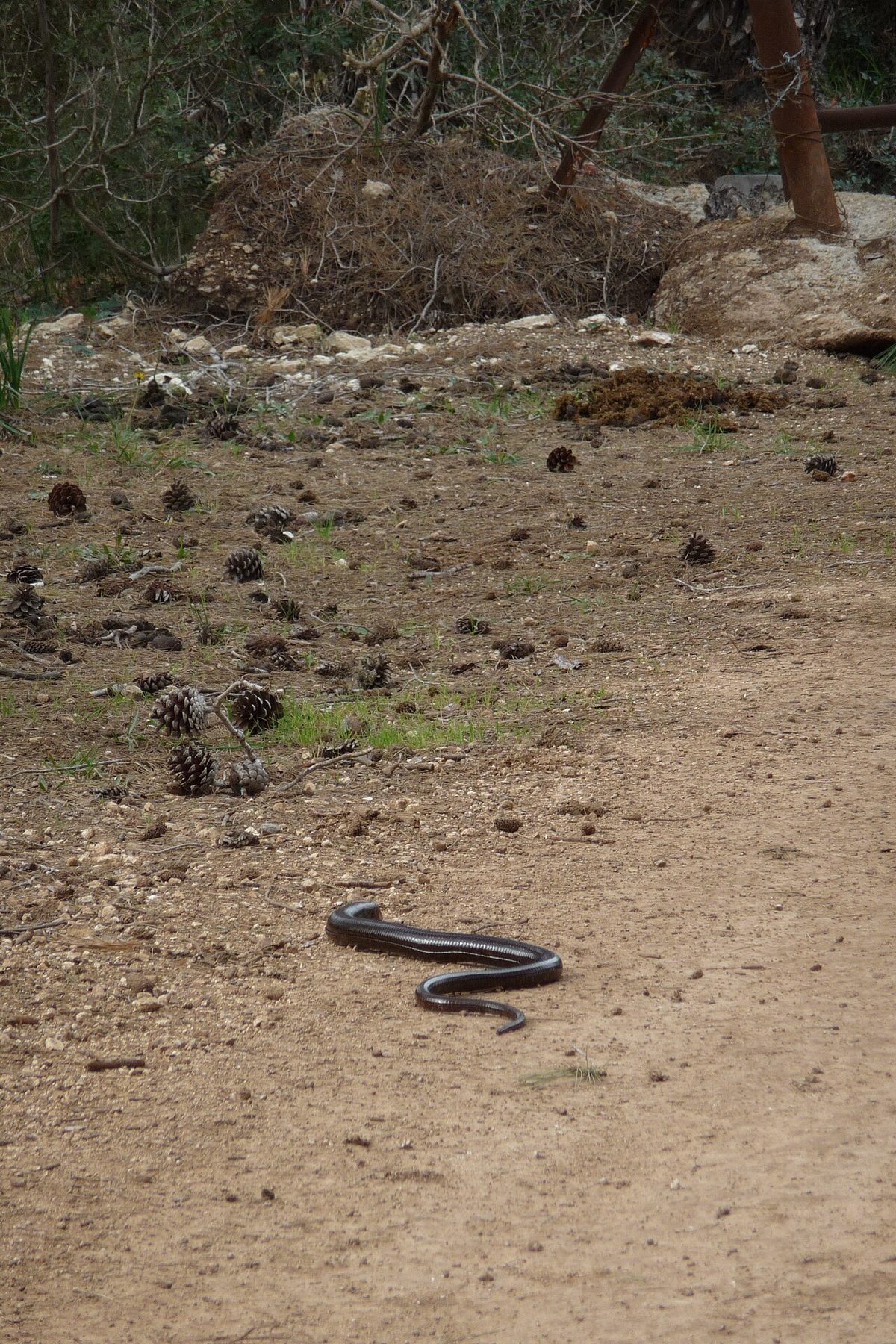
No single soil type is preferred. The collared delma has been found in sandy loams, grey and black cracking clays, stony lithosols and basalt-derived podzols. Stony lithosol was most abundant at Mt Crosby and Moggill State Forest, while Pinjarra Hills and Anstead had podzolic soil and basalt rocks.
What stays constant is the microhabitat: logs, rocks, bark and other woody debris, with leaf litter usually 30 to 100 mm thick. If you take one message from this section, take that one — the litter and the loose rock are the animal's home, not scenery.
Two Eggs, Small Roaches and a Daytime Shift
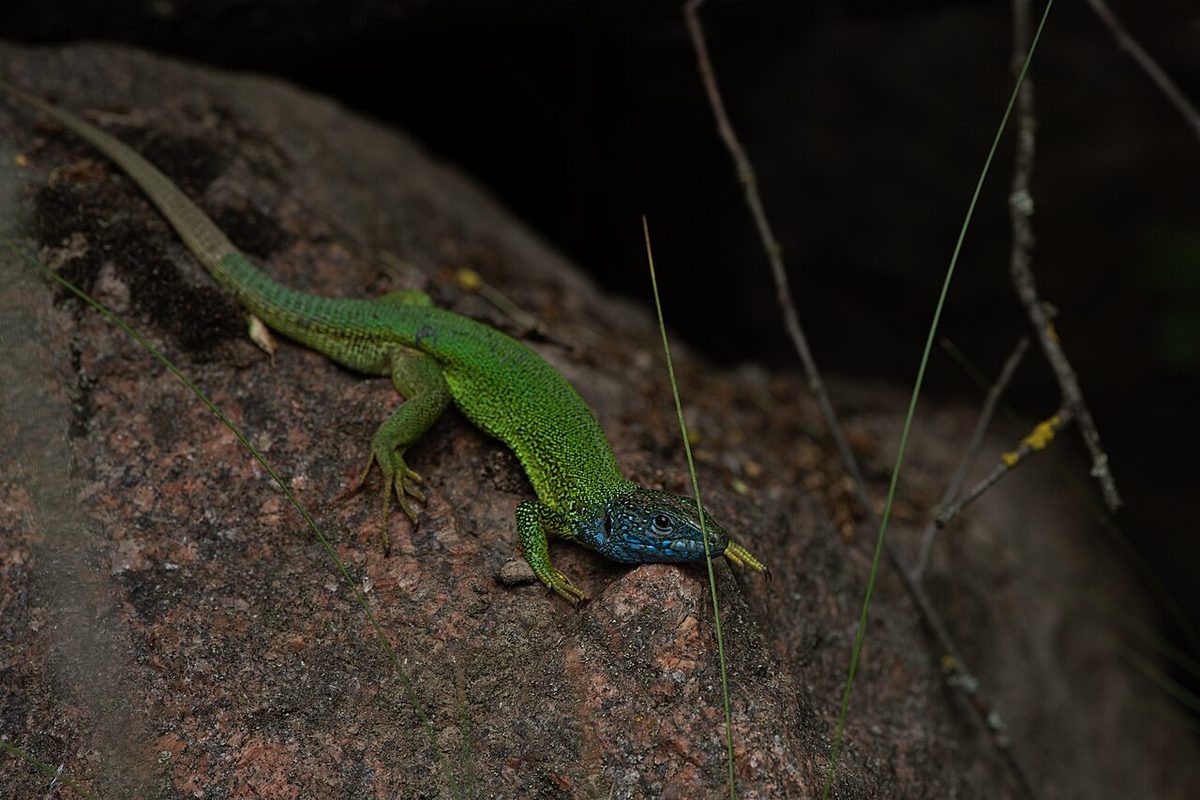
Like all pygopodid lizards, the collared delma breeds in the Australian summer. It produces two eggs during December, and those eggs hatch late February to early March. Two eggs a year is a slow replacement rate for a small animal in a fragmented landscape, which is part of why the habitat damage described below matters so much.
The species is purely insectivorous. It feeds on small cockroaches and spiders, and it is diurnal — actively foraging during the day. It has only ever been observed foraging alone.
Put the diet beside the habitat and the whole animal makes sense. Those 30 to 100 mm of leaf litter are not just shelter; they are the pantry. Cockroaches and spiders live in the same damp layer of leaves, bark and woody debris, so a 2.5 g lizard with no legs has very little reason to go anywhere else.
Vulnerable — What Threatens It and What Helps
The collared delma is listed as vulnerable under both the Environment Projection and Biodiversity Conservation Act 1999 and the Endangered Species Protection Act 1992. It also carries vulnerable status in the action plan for Australian reptiles and under the Queensland Nature Conservation Regulation 1994.
Interestingly, no documented study or investigation has quantified its population decline. The assessment rests on two things: how rarely it is seen, and how fragmented its distribution has become. That is worth knowing if you ever hear a confident percentage quoted — the listing is real, but the decline itself has not been measured in numbers.
The pressures on it
- Land clearing and urbanisation of habitat, particularly in south-east Queensland
- Clearing of land for agriculture
- Habitat degradation
- Removal of rocks and ground litter
- Agricultural chemicals
- Predation by feral cats and foxes
- Weed invasion
What actually helps
- Monitoring and protecting the areas where it occurs in high numbers
- Road measures that avoid disturbance and restrict public routes
- Discouraging the public from removing rocks
- Queensland government fire restrictions at regional and local level
- Public weed removal, such as dwarf lantana
If you own or manage land in south-east Queensland or northern New South Wales, those five points translate into some very ordinary habits. Leave fallen timber, bark and loose rock where it lies. Keep the litter layer intact rather than scraping it clean. Keep cats contained and be aware of foxes. Be careful and targeted with chemicals and with weeds — dwarf lantana removal is on the list, but the same work can strip ground cover if it is done roughly. Check current fire rules at regional and local level before burning, because a hot burn through a litter layer removes the exact microhabitat this species depends on.
If you are outside Australia, none of this applies to your ground. The only species covered here is endemic to Australia, so what lives under your logs will be different, and the rules on handling wildlife vary locally. Check with a nearby wildlife or environment office before you move rocks or pick anything up. For the wider family, you can browse our Lizard page.
The Bottom Line
The collared delma is the smallest lizard documented here, and everything about it is modest in scale: 50 to about 70 mm snout to vent, a tail of 103 to 126 mm that is longer than the body, around 2.5 g in weight, body scales in 16 rows, two eggs laid in December, and a range squeezed into south-east Queensland and northern New South Wales. It is a legless lizard, not a snake, and it is listed as vulnerable in Australia.
The nine other places on a top 10 list stay empty on this page, and that is the honest outcome. No verified measurement backs another name, and a list padded with guesses would be worse than useless to you. What you have instead is one animal described properly — its size, its habits, the sites where it has been found, and the handful of plain things that decide whether it survives on a piece of ground. For a species this small, those plain things are usually the whole story.
 Menu
💬 Comments
Login to comment
No comments yet. Be the first to share your experience!