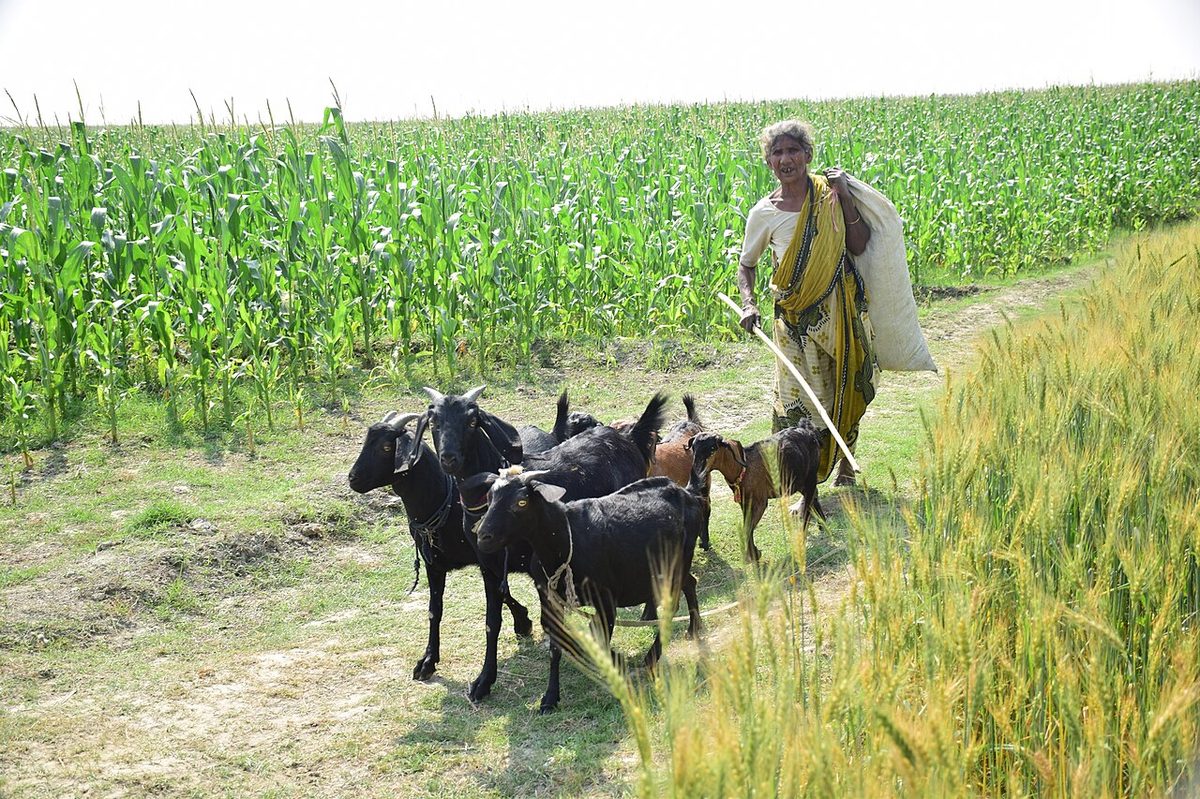
Goat farming can be profitable, but it is not automatically profitable everywhere. Your result depends on the products you sell, the land and feed available, your operating costs, and the prices and buyers in your local market.
Goats offer several possible income streams. They can also use some grazing that other livestock reject and can be raised alongside cattle or sheep. However, you still need a realistic business plan based on local conditions before buying animals.
What Can Make Goat Farming Profitable?
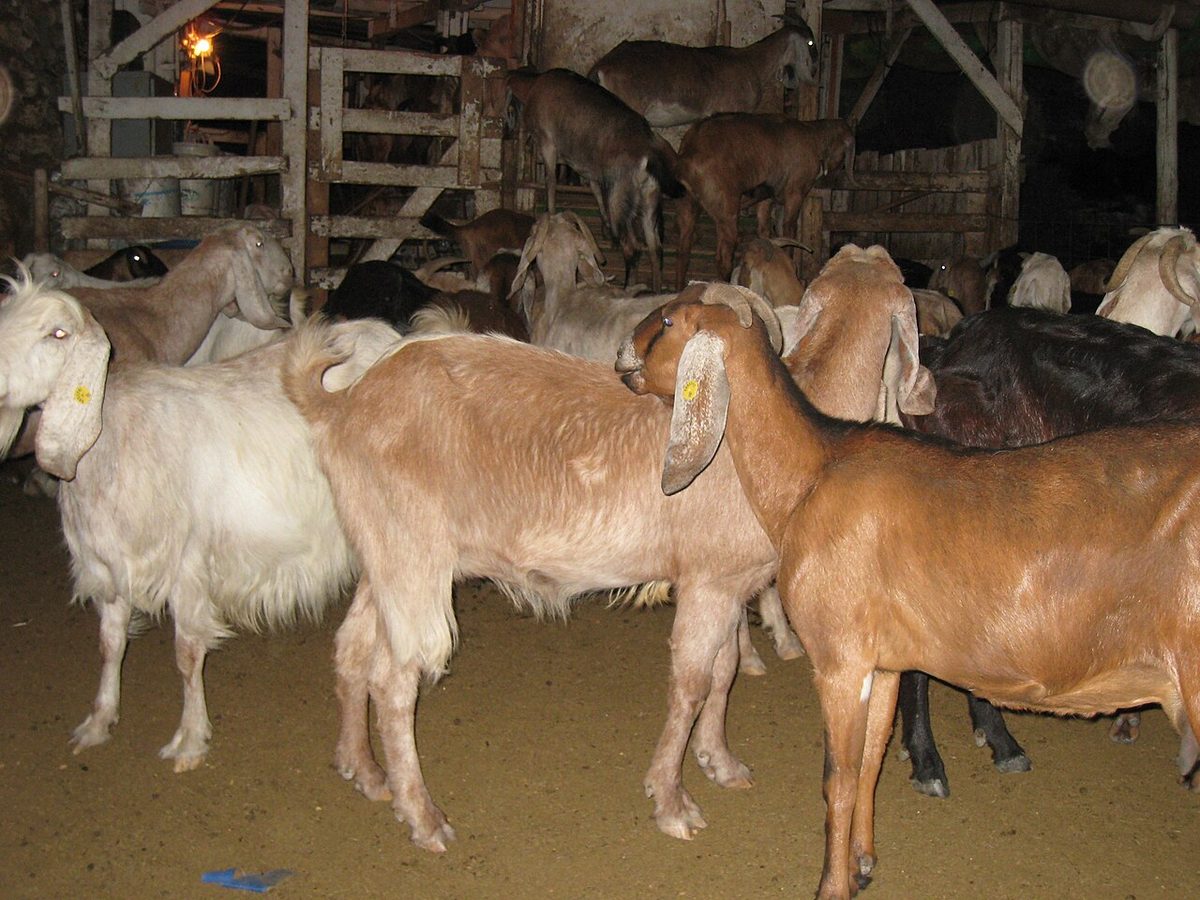
A goat enterprise has more than one possible business model. You might raise goats for meat, milk, fibre or wool, skins, or processed products such as cheese. The right choice depends on your breed, resources and access to buyers.
Profit cannot be judged from the selling price alone. You must compare expected sales with the cost of breeding stock, housing, fencing, equipment, feed, labour, veterinary care, transport and marketing. These costs vary by location, so check current figures with nearby farmers, vets, dealers and relevant local offices.
You should also investigate local demand and seasonal price changes. A product may have value, but that does not guarantee that you will have a reliable buyer when it is ready for sale.
Possible strengths of a goat enterprise

- Several saleable products: Goats can provide meat, milk, fibre or wool, and skins.
- Value-added opportunities: Goat milk can be processed into cheese, while suitable skins can be made into leather products.
- Flexible use of land: Goats eat some vegetation that other domesticated livestock decline.
- Mixed-farm potential: Goat farming can operate alongside sheep and cattle on low-quality grazing land.
- Different production systems: Some goats are kept on pasture, while breeds such as the Beetal are adapted to stall feeding.
These strengths create options, but they do not provide a guaranteed profit. Expected milk yields, growth rates, kidding rates and mortality rates depend on the farm and local situation. Calculate them using advice and records relevant to your area rather than relying on a general figure.
Products You Can Sell From Goats
Your product choice shapes the entire goat farming business. It affects the breed you need, how you feed and manage the herd, and which buyers you must find.
Meat
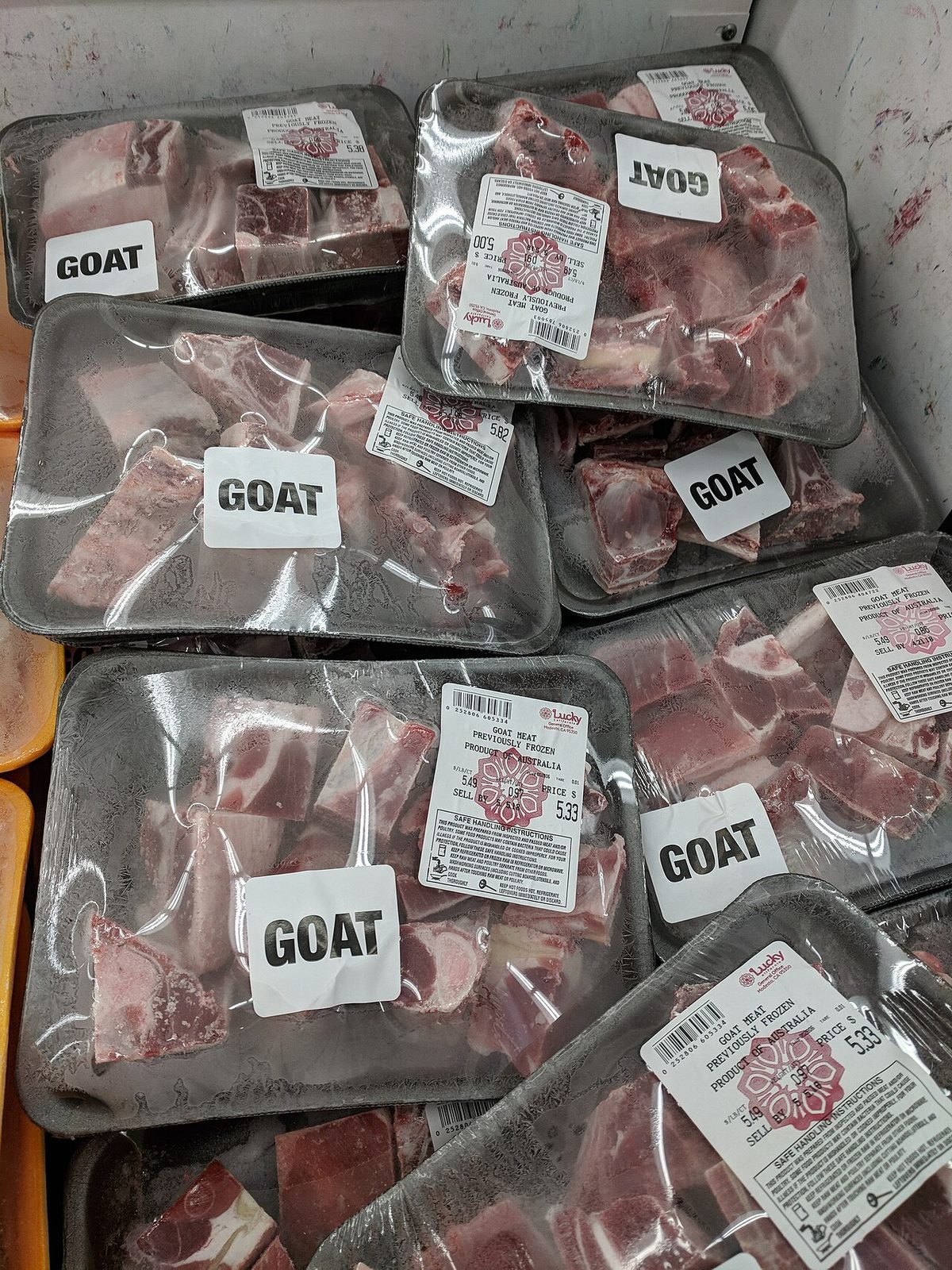
Goats can convert sub-quality grazing matter into lean meat. This may make meat production worth considering where land has vegetation that cattle or other domesticated livestock do not readily eat.
Meat-goat production is spread widely. In the United States, meat goats are farmed in every state, although most production occurs in the Southeast. Texas represents 38% of US production.
Milk and cheese
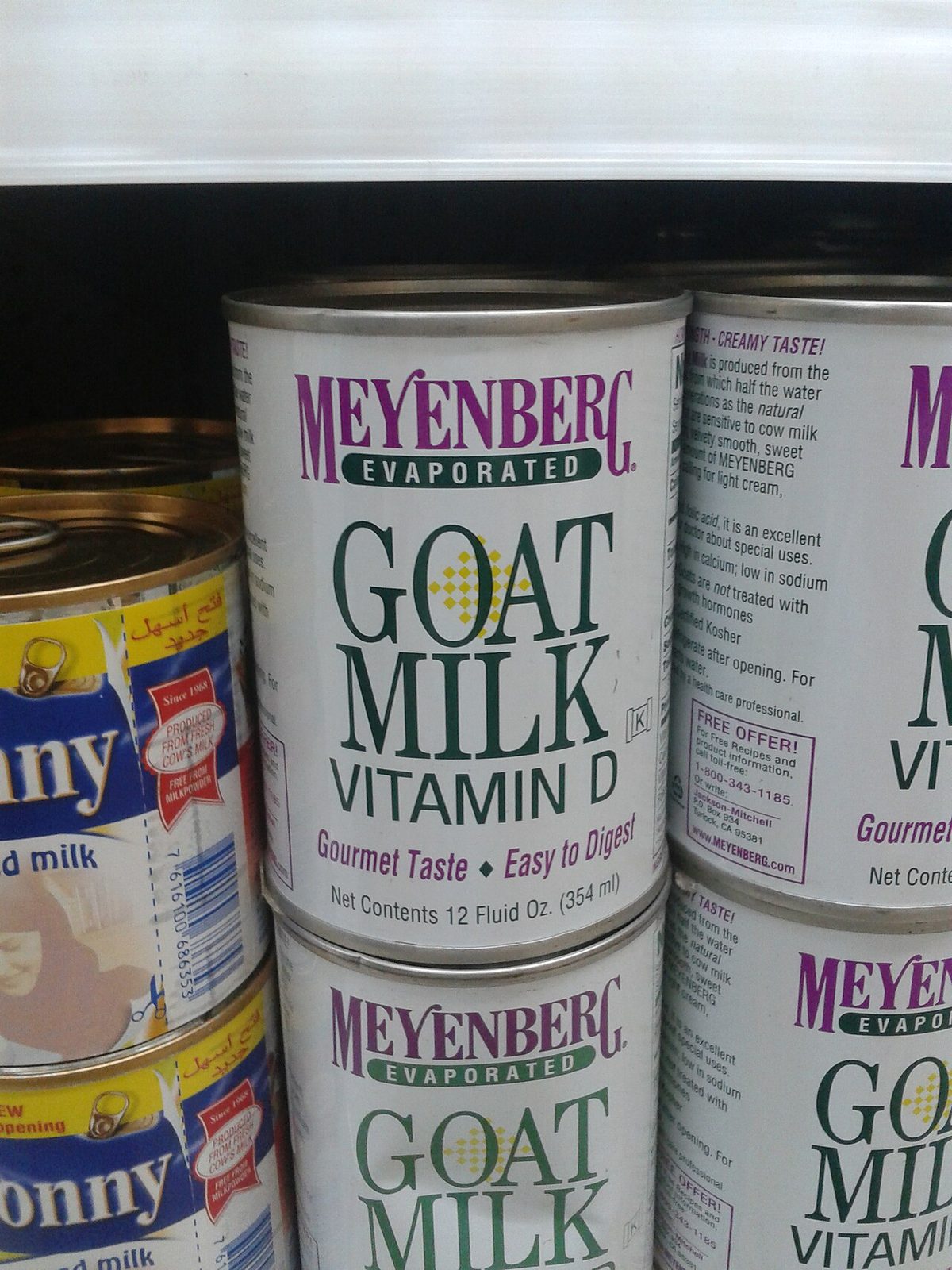
Milk can be sold as a farm product or processed into cheese. India was the largest goat-milk producer as of 2022. In 2024, the United States of America was the largest importer, while New Zealand was the top exporter.
Dairy farming also requires a clear plan for male kids. Male goats are generally not required by the dairy-goat industry and are often slaughtered for meat soon after birth. In the UK, approximately 30,000 billy goats from the dairy industry are slaughtered each year.
Before starting a dairy herd, find out whether buyers will take your milk and what requirements apply to collection, cooling, processing and sale. These rules and buyer conditions vary locally.
Fibre, wool and skins
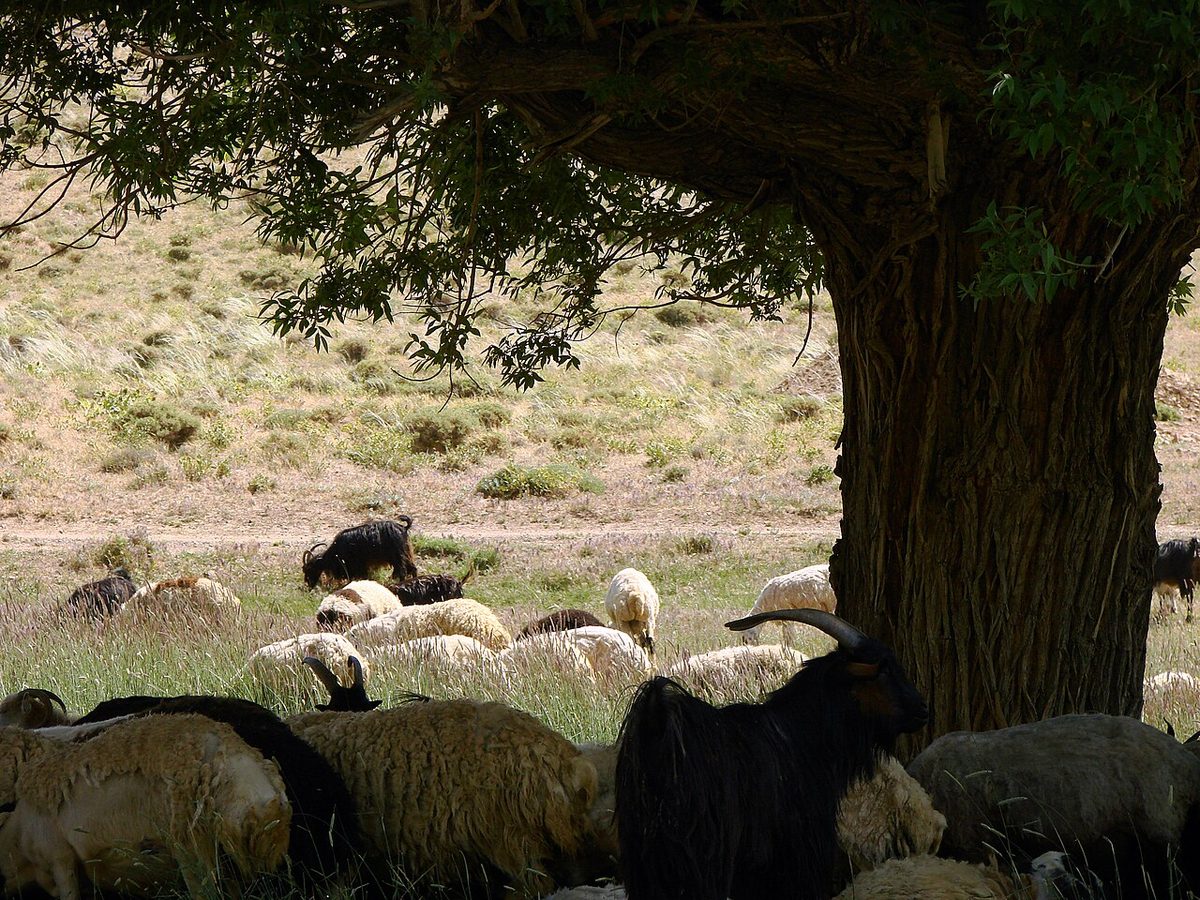
Fibre or wool and skins are other possible outputs. Their commercial value depends on whether suitable buyers and processors operate near you.
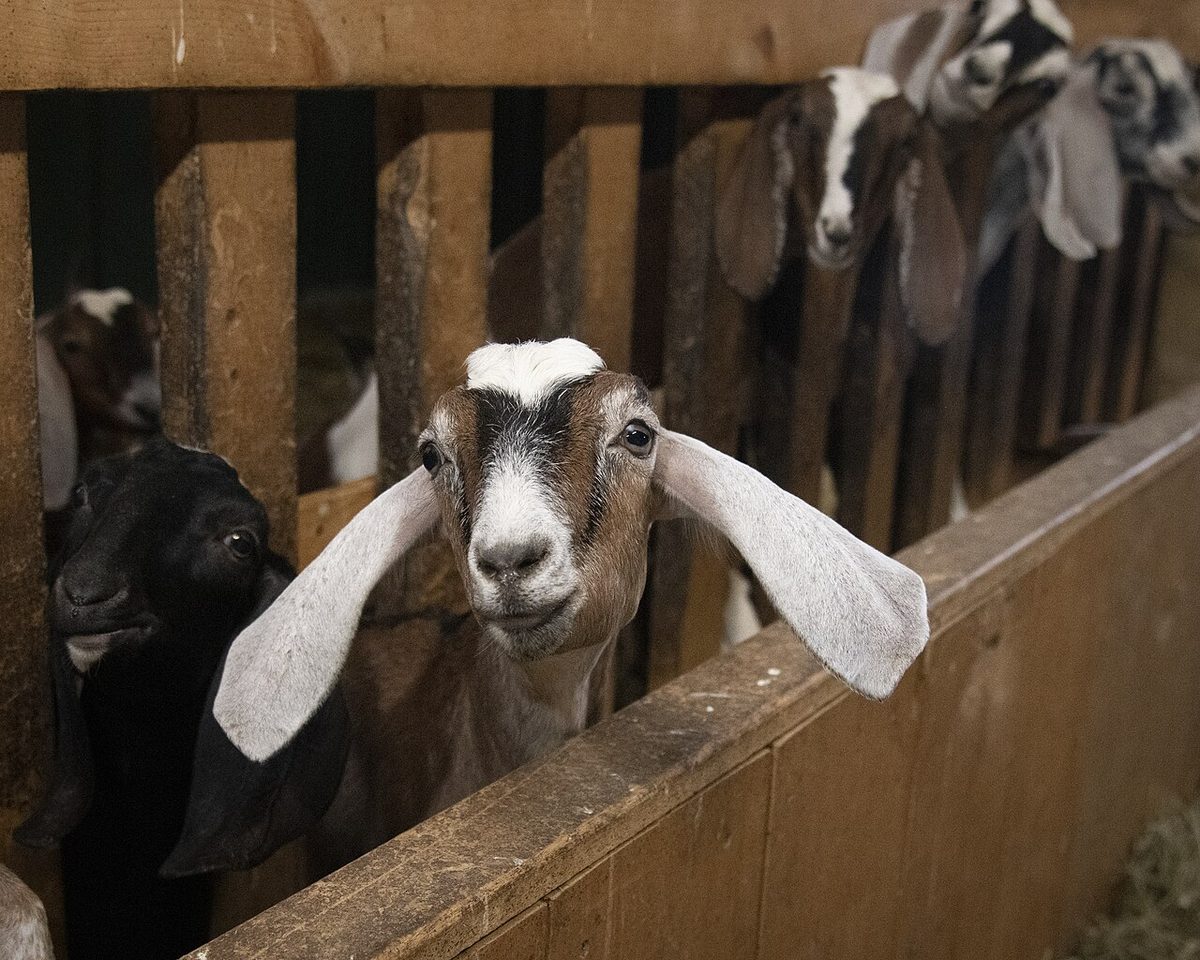
The Beetal goat provides a useful example of a multi-purpose breed. It comes from the Punjab region of India and Pakistan and is used for both milk and meat. It is described as a good milker with a large body. Its large skin is used for fine leather products, including velour, suede and chamois.
How Much Land Do Goats Need?
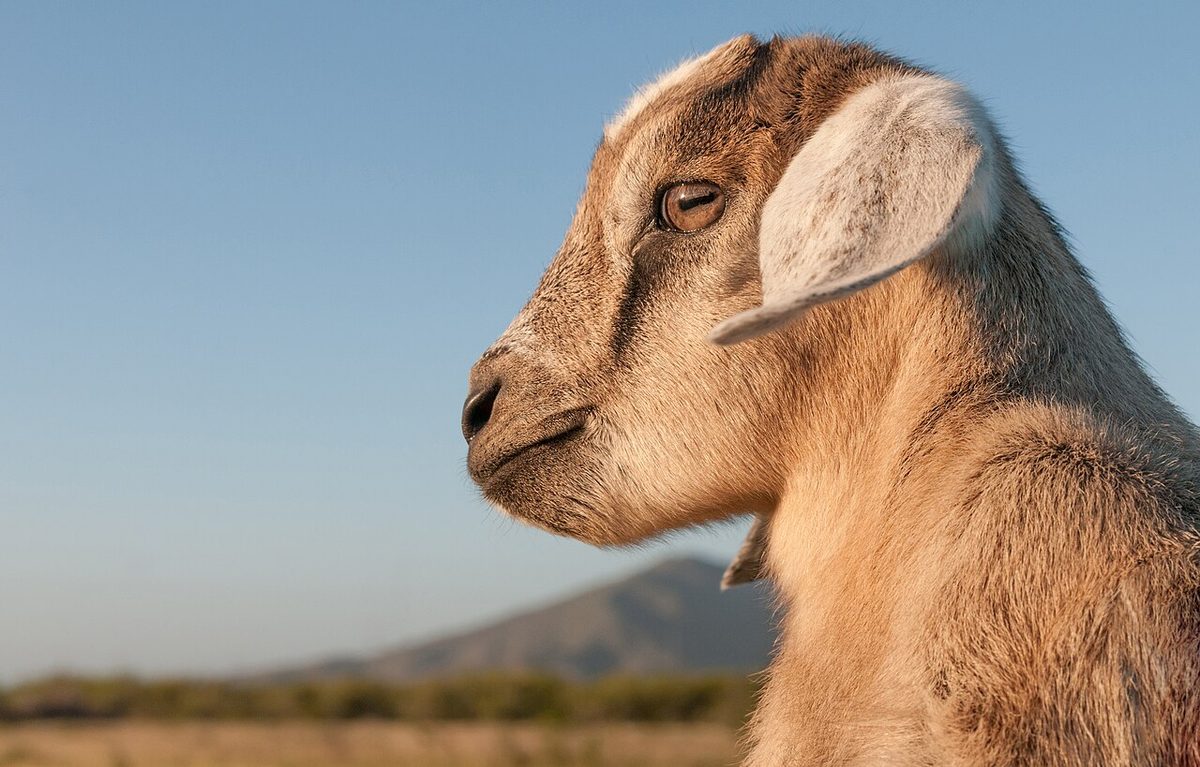
Goats can be raised with a relatively small pasture area and limited resources. Herds can also be important assets in regions with sparse, low-quality vegetation. However, this does not mean that any small or poor piece of land can support an unlimited number of goats.
The number of animals your land can sustain still depends on pasture quality. You should assess the available vegetation, the condition of the land and how feeding needs will be met throughout the year. If local grazing cannot support the planned herd, your feed requirements and costs will change.
Using goats with cattle or sheep
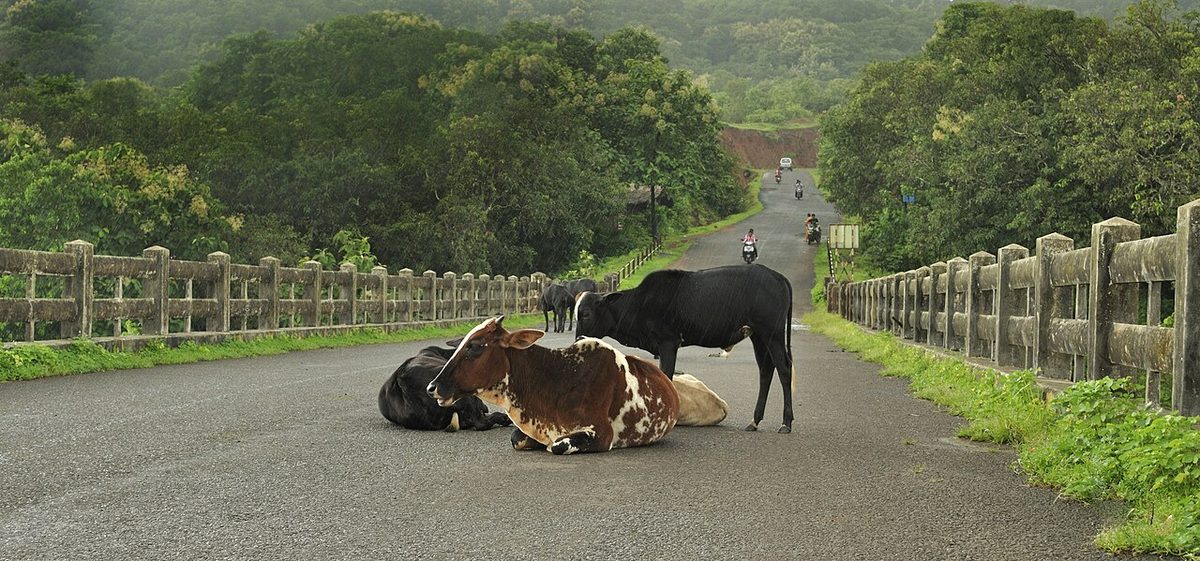
Goat production can complement sheep and cattle because goats eat some vegetation that other livestock reject. In the Charolais region, goat farming historically developed alongside cattle farming. Goats helped maintain hedgerows and wooded pastures, while cheese provided an additional source of income.
This kind of mixed system may help you use the vegetation on a farm more fully. Whether it works commercially still depends on your pasture, herd size, labour, buyers and local prices.
Breed and Production System Matter
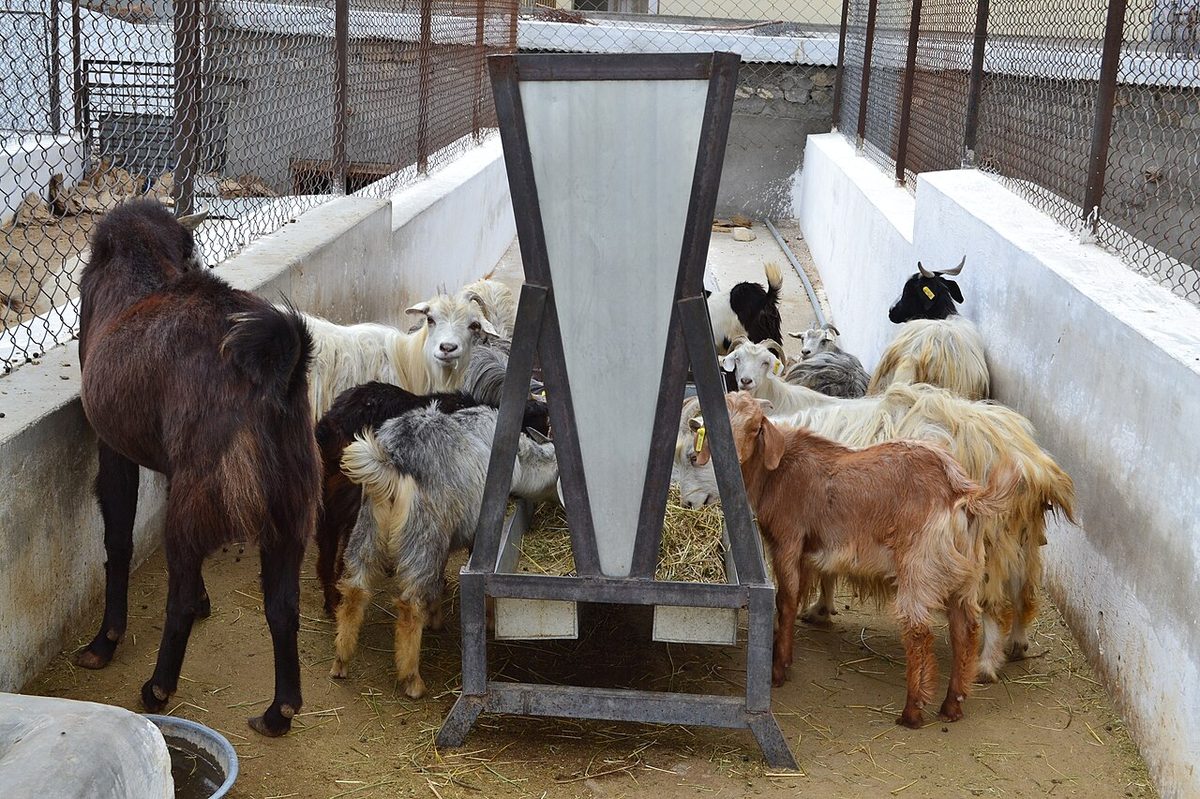
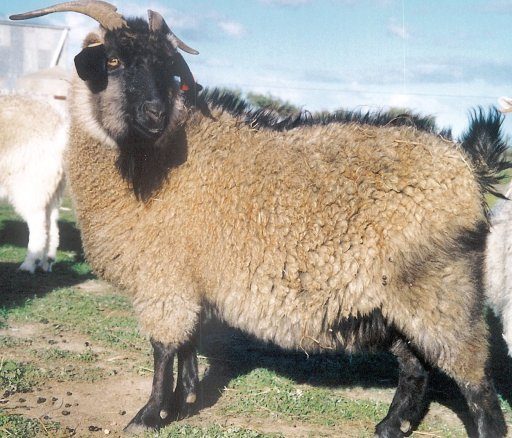
Goat breeds differ greatly in size and purpose. Larger breeds such as the Boer can have bucks weighing more than 140 kg (310 lb). Smaller does may weigh 20 to 27 kg (44 to 60 lb). Adult African Pygmy goats stand 41 to 58 cm (16 to 23 in) at the shoulder.
These differences matter when you plan housing, handling and the product you intend to sell. Choose a breed that fits your production system and target market rather than selecting animals only because they are available.
Beetal goats for intensive farming
The Beetal is a meat-and-milk breed adapted to stall feeding. This makes it preferred for intensive goat farming. Its combination of milk, meat and skin uses may give a farmer several possible products, provided there are suitable local buyers.
Breed performance figures for milk yield, growth, kidding and mortality are not the same everywhere. Ask nearby breeders, a vet or an agricultural office for information that reflects your climate, feeding system and farm conditions.
Using herd records
Good decisions can be supported by regular animal records. Green Livestock Africa, a Nigerian company, collects and analyses information on feeding, drinking, growth, animal health and vaccination. It uses these records in animal-care and development decisions and also undertakes goat breeding and artificial insemination. Feed ratios form part of its goat activities.
You can use the same general idea on any goat farm: record what happens within your own herd and use that information when making future decisions.
Goat Prices and Market Access
Goat prices vary widely. Across 2,181 worldwide price-data rows after exclusions, recorded goat-meat prices ranged from EUR417 per tonne to EUR39559 per tonne. The average recorded goat-meat price was EUR3553 per tonne.
Recorded goat-milk prices ranged from EUR78 per tonne to EUR5968 per tonne, with an average recorded price of EUR962 per tonne.
This wide spread is a warning against using one general price in your business plan. Your actual return will depend on local demand, buyer access, seasonal prices and price changes. Check current offers directly with nearby dealers, processors, dairies or other buyers.
The scale of goat production also shows that the industry is active across many markets. There were more than 1.1 billion goats worldwide in 2022, including 150 million in India. Even so, global production figures do not tell you what an individual buyer will pay in your area.
Questions to ask before choosing a product
- Who will buy the meat, milk, fibre or skins?
- Can you sell directly, or must you use a dealer or processor?
- Can a local dairy collect raw, refrigerated goat milk?
- Are there customers for goat cheese or fine leather products?
- What product and animal requirements do local buyers set?
- Which licences, welfare rules, slaughter requirements and product regulations apply?
The answers vary by location. Confirm them with nearby buyers, vets and the appropriate local offices before committing money to the enterprise.
Can Processing Add More Value?
Processing goat milk into cheese can create another sales channel. In the Charolais region, cheese production is mainly farm-based, and both on-farm production and direct sales are important to the local agricultural economy. A ripener and a dairy also purchase and collect raw, refrigerated goat milk from farmers.
This example shows two possible routes: make and sell cheese on the farm, or supply milk to another business. The available route will depend on local buyers and the rules governing milk handling, processing and sales.
Protected cheese has strict conditions
French Charolais cheese is linked to designated municipalities in Saône-et-Loire, Allier, Loire and Rhône. Production is controlled by AOC and AOP rules.
Farms producing under the Charolais appellation must meet specific conditions:
- They may keep no more than 10 goats per hectare.
- All forage must come from within the designated area.
- Goats must receive fresh grass for at least 150 days per year.
- Silage and wrapped hay are prohibited.
Rules outside this example vary. If you plan to sell milk, cheese, meat, skins or another goat product, check the licences, welfare standards, slaughter conditions and product regulations that apply where you operate.
So, Is Raising Goats Worth It?
Goat farming may be worth pursuing when you have suitable land or a workable stall-feeding system, a breed matched to your chosen product, and dependable market access. Meat, milk, cheese, fibre or wool, skins and fine leather can all provide possible sales routes.
But no worldwide figure can tell you your net profit, break-even herd size or investment payback period. Build your decision around local costs and current buyer prices. Speak with nearby farmers, vets, dealers, processors and relevant offices, then compare realistic income with every expected expense. That local calculation is the clearest way to decide whether goat farming can be profitable for you.

 Menu
Menu
💬 Comments
Login to comment
No comments yet. Be the first to share your experience!